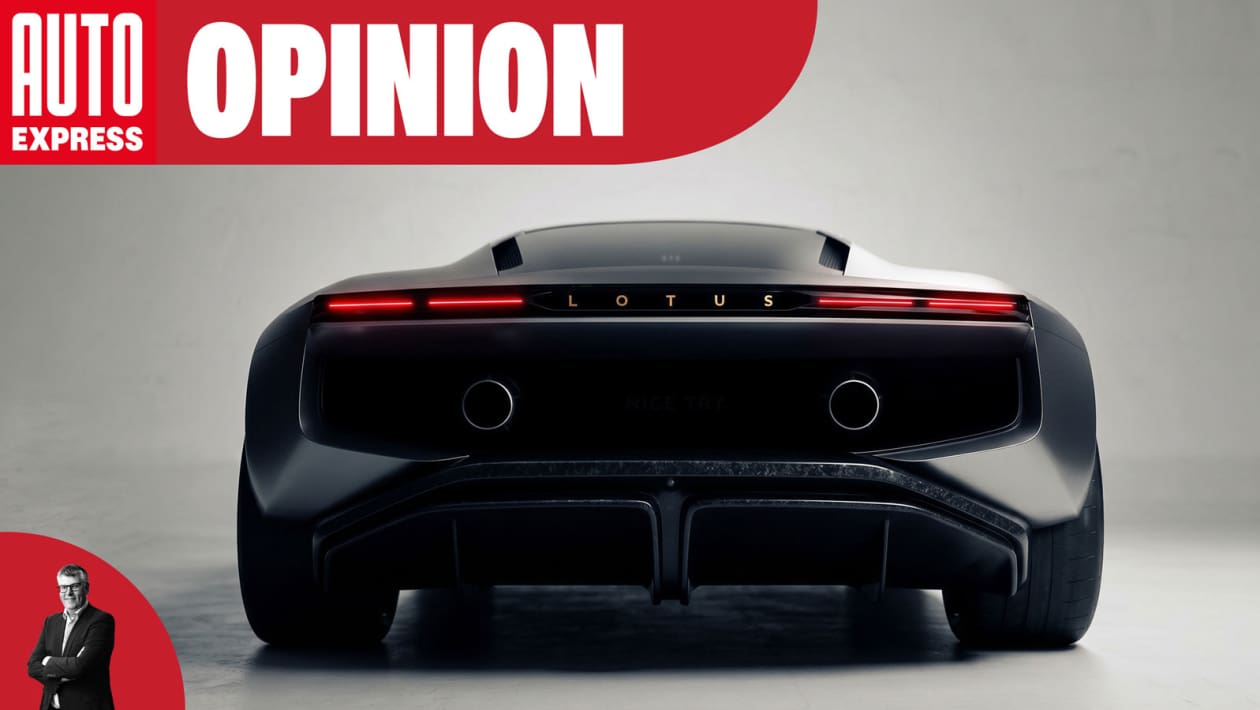
Lotus is a brand that elicits so much goodwill. It would be lovely to see a firm that has produced so many iconic sports cars get back on track after spending the past couple of decades and more stumbling from one crisis to the next under a variety of owners.
Even Geely, the Chinese parent company that has made a pretty successful job of Volvo, has struggled to plot a path for Lotus in the nine years it has owned the Norfolk-based firm. Staff culls followed the failure of the Vision 18 plan, devised in 2018 to build 150,000 cars a year by 2028. Last year, numbers were well below 7,000.
I’ve been around long enough to have seen several ambitious Lotus plans fail, most notably at the 2010 Paris Motor Show where, under the ownership of Malaysian brand Proton, then-boss Dany Bahar unveiled five new cars as part of a “complete remake of the brand”. It was a bold showing designed to illustrate Lotus’s exciting future. Not one ever got close to production.
Now the company has a new strategy, and maybe this will be the one to finally give Lotus a brighter future. It certainly feels more humble and realistic, with an aim to build 30,000 cars annually and embrace hybrid powertrains, rather than rely on the transition to EVs to underpin its future.