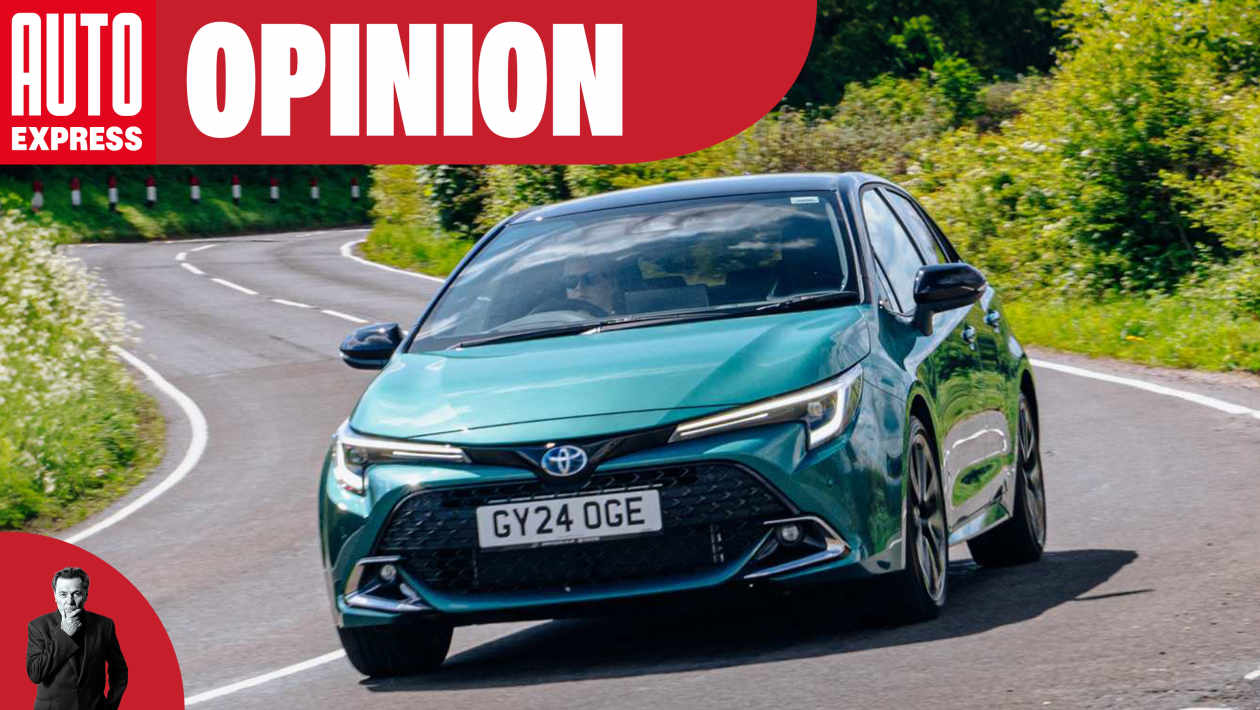
Buy a car built in Japan or Germany and you won’t go far wrong. That’s long been my mantra after decades of work-related test drives in state-of-the-art vehicles from these two countries. I’ve also been a multiple, real-world buyer and owner of new and old, bog-standard, mid-range, high-performance or premium models from Nissan, Lexus, VW, BMW, Porsche and Mercedes.
But what you and I think of as cars ‘impeccably made in Japan by proud Japanese employees’ or ‘solidly built in Germany by efficient German workers’ might just be rolling off production lines in countries further afield that we don’t associate with the same levels of engineering brilliance.
The international motor industry needs to – via its global trade bodies and related organisations – implement and manage a simple system that tells prospective buyers exactly where the cars they’re considering are built. Think stickers, immovable plaques, engravings and glass etchings stating the names of the factory and country of manufacture. Windscreens of unsold cars plus brand’s brochures should also prominently display such information.
Yes, yes, I know that if you give up valuable time doing the homework, before digging around for, locating and decoding some or all of this info, it can, eventually, be had. But it needs to be simpler, more conspicuous, consistent and clear-cut.