• Read this before you get too excited about the Hybrid Zeekr 8X, 9X

    Read this before you get too excited about the Hybrid Zeekr 8X, 9X


    Sam Purcell has been writing about cars, four-wheel driving and camping since 2013, and obsessed with anything that goes brum-brum longer than he can remember. Sam joined the team at CarAdvice/Drive as the off-road Editor in 2018, after cutting his teeth at Unsealed 4X4 and Pat Callinan’s 4X4 Adventures.

    Off-road writer of the Year, Winner – Sam Purcell

    Read more about Sam PurcellLinkIcon


    Source link

  • Toyota C-HR review | Auto Express

    Toyota C-HR review | Auto Express


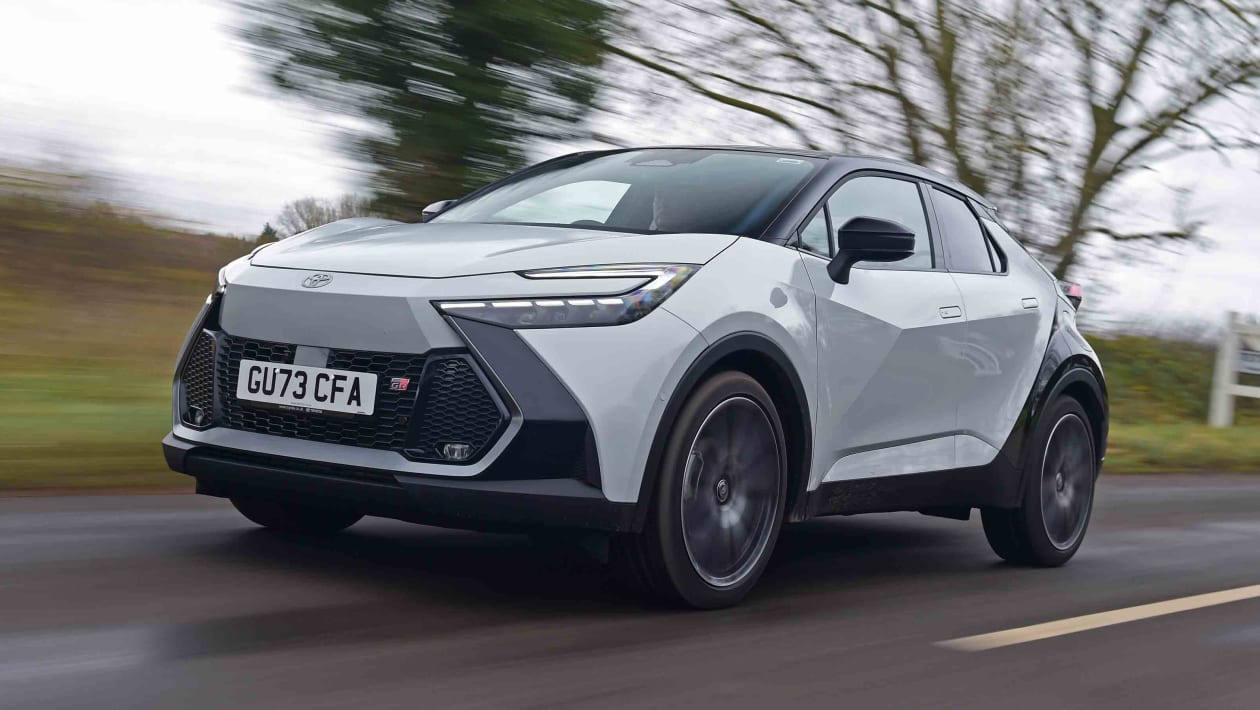
    Toyota has a pretty robust reputation for quality, and the C-HR feels as well screwed together as we’d expect. A Toyota C-HR in Excel trim spent six months on our long-term test fleet, and we didn’t encounter any interior foibles during this time.

    Infotainment, sat-nav and stereo

    The entry-level Icon C-HR has a smaller 8.0-inch screen, while everything from Design trim and above gets the larger 12.3-inch screen we’ve tried in other Toyota cars, including the Toyota bZ4X.

    The previous C-HR had an outdated-looking infotainment setup. The latest screen is much improved, not just in terms of layout but also in terms of the speed of its responses. However, it still can’t quite match the highly impressive infotainment system featured in the Hyundai Kona, which is faster still.

    A wireless charging pad comes as standard on mid-range Design trim cars, as well as sat-nav. All versions come with Android Auto or Apple CarPlay if you want to bypass the built-in apps and infotainment system in favour of your phone.

    All cars have a six-speaker sound system, which can be upgraded to a nine-speaker JBL system on Excel trim. The top-of-the-range GR Sport gets this stereo upgrade as standard. 

    “The C-HR is one of those cars you can just jump in and drive; little touches such as the wireless phone charging pad and a memory function for the driver’s seat position make for a quick getaway with the minimum of fuss, while the premium sports seats offer decent support and are comfortable.”  Paul Adam, former executive editor.

    Advertisement – Article continues below

    While there have been some improvements, the C-HR continues to pose difficulties for those looking for a practical SUV

    Pros

    • Bigger in the back than some rivals, regardless of that roofline
    • Every version comes with blind spot monitoring to aid visibility

    Cons

    • Fitting a child seat is frustratingly difficult
    • Unremarkable boot size

    The sleek roofline of the Toyota C-HR can fool you into thinking it’s a much smaller car than it actually is. In terms of length, it’s a little bit longer than a Hyundai Kona, and just shy of the latest Volkswagen T-Roc. The C-HR is also taller than a Kia Niro, but doesn’t quite reach the ‘lofty’ heights of the Renault Symbioz


    Source link

  • Car Deal of the Day: Hello campers! Get out and about with a VW California for only £342 a month

    Car Deal of the Day: Hello campers! Get out and about with a VW California for only £342 a month


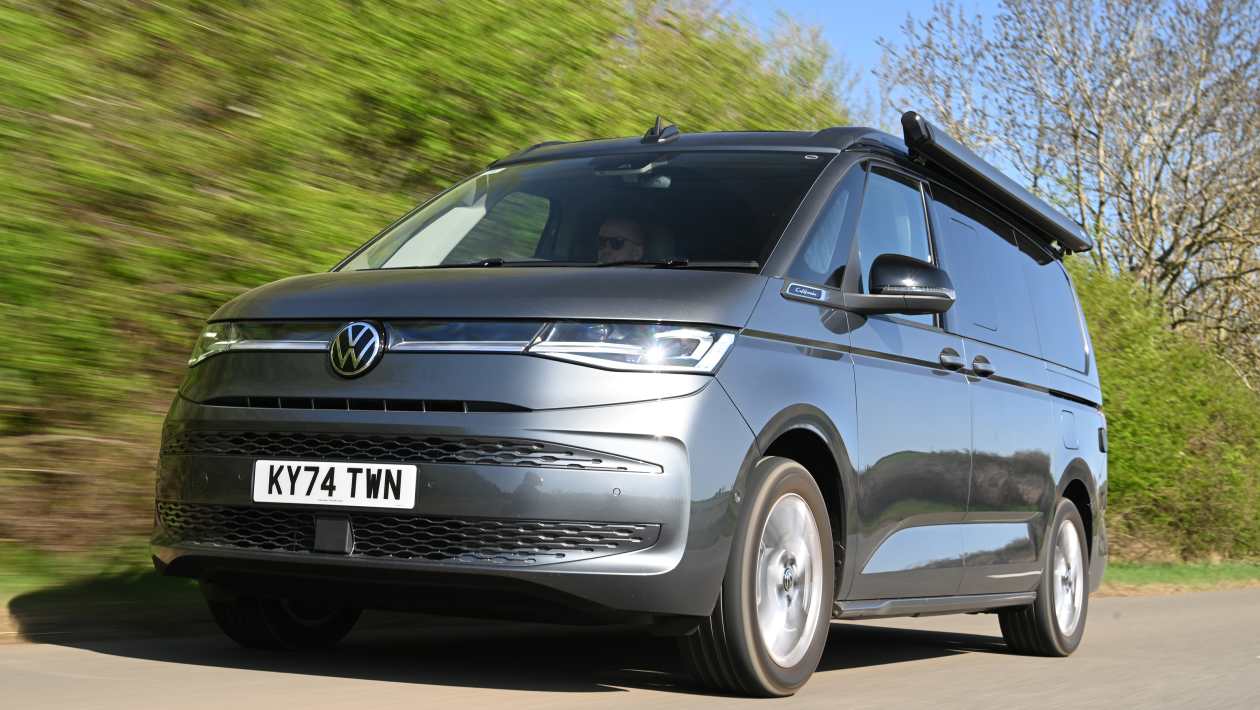
    The new VW Multivan-based California comes in three flavours, Beach, Coast and Ocean, with each one offering different levels of onboard living. You’ll be taking the keys to the Beach, which is a great option if you still need the practicality of the standard Multivan but want some of the California’s famed camping lifestyle. 

    Advertisement – Article continues below

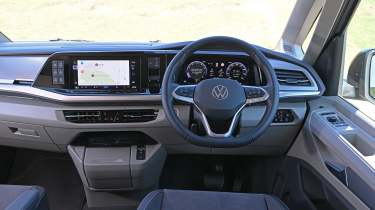
    The Beach has four sleeping spaces, with the main one being a roof bed with a sprung frame, under a manually operated pop-up roof. There’s a very cleverly designed pull-out kitchenette under the bottom bunk, which includes a gas hob, plus an external power supply to keep you on-grid. There are also three separate rear seats, so the Beach can be used as an MPV to transport the kids during week, and then converted into a campervan at the weekends.

    Volkswagen California - interior

    Power comes from one of VW’s dependable 2.0-litre TDI diesel engines, and with 148bhp it’s an excellent unit that’s equally at home cruising on French autoroutes as it is climbing steep single-track roads in Cornwall. A seven-speed DSG automatic gearbox makes life easy, and the car-derived Multivan underpinnings means the California is comfortable and surprisingly agile to drive.        

    The Car Deal of the Day selections we make are taken from our own Auto Express Buy A Car deals service, which includes the best current offers from car dealers and leasing companies around the UK. 

    Terms and conditions apply, while prices and offers are subject to change and limited availability. If this deal expires, you can find more top Volkswagen California leasing offers from leading providers on our Volkswagen California page.

    Check out the Volkswagen California deal or take a look at our previous Car Deal of the Day selection here


    Source link

  • Toyota cuts around $20k from Tundra for EOFY to clear old stock

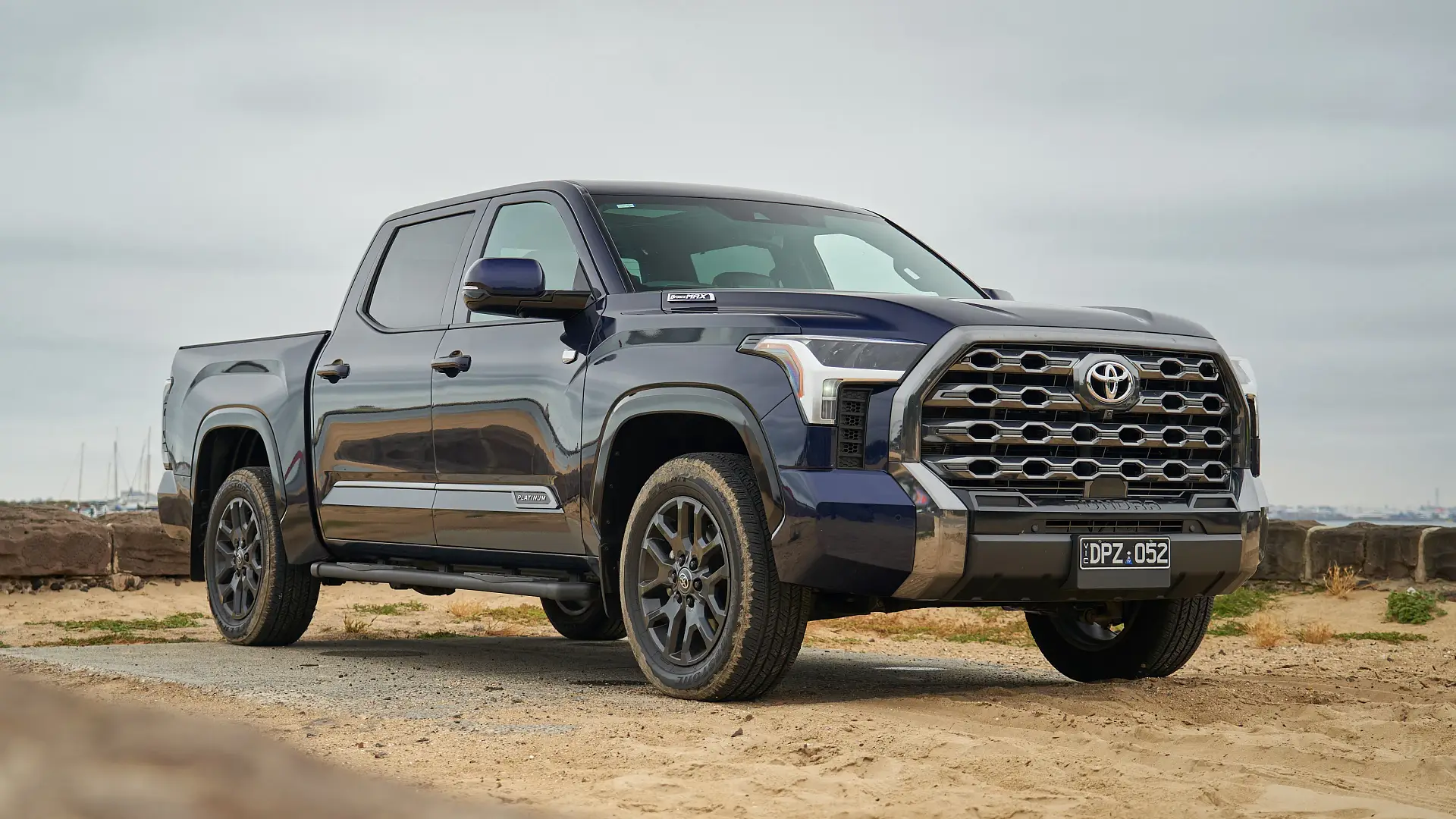
    Toyota cuts around $20k from Tundra for EOFY to clear old stock


    Jordan is a motoring journalist based in Melbourne with a lifelong passion for cars. He has been surrounded by classic Fords and Holdens, brand-new cars, and everything in between from birth, with his parents’ owning an automotive workshop in regional Victoria. Jordan started writing about cars in 2021, and joined the Drive team in 2024.

    Read more about Jordan HickeyLinkIcon


    Source link

  • Renault Austral review | Auto Express

    Renault Austral review | Auto Express


    2025 Renault

    Austral

    23,467 milesAutomaticPetrol1.2L

    Cash £19,600

    View Austral

    2025 Renault

    Austral

    23,661 milesAutomaticPetrol1.2L

    Cash £21,295

    View Austral

    2024 Renault

    Austral

    11,852 milesAutomaticPetrol1.2L

    Cash £23,998

    View Austral

    2026 Renault

    Austral

    AutomaticPetrol1.2L

    Cash £33,590

    View Austral

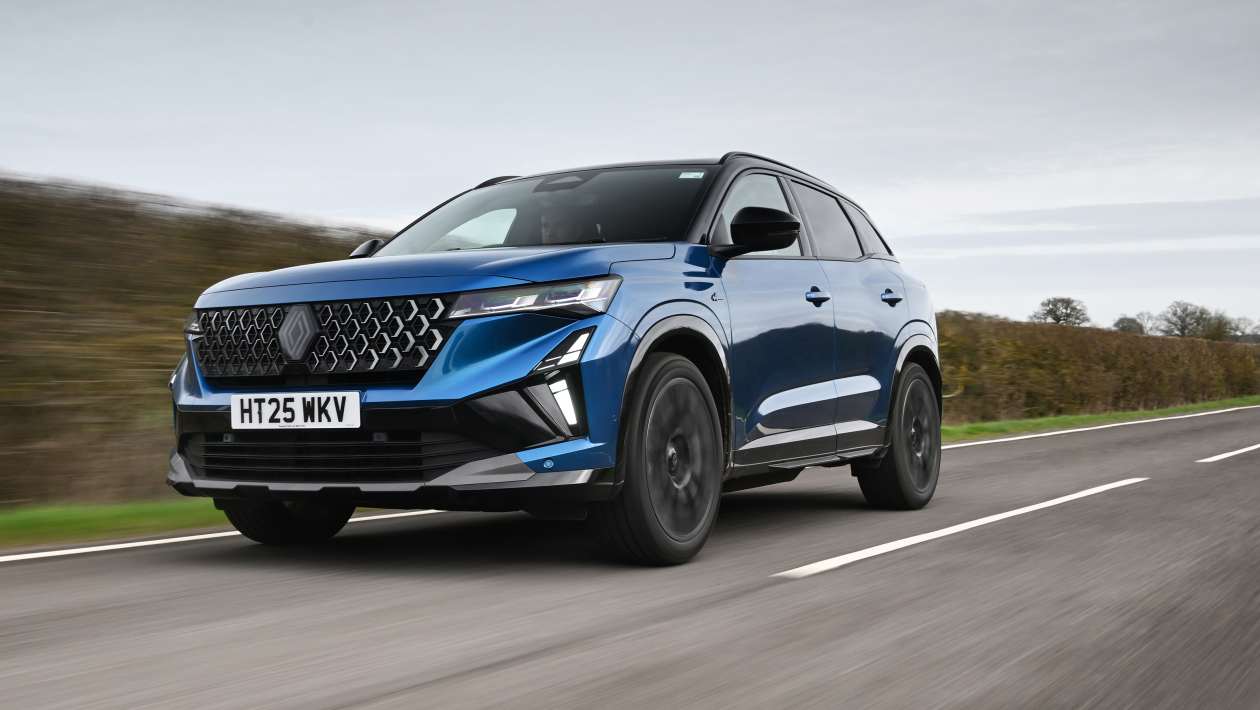
    There are three trim levels to choose from with the Austral, starting with Techno, then moving through Techno Esprit Alpine and Iconic Esprit Alpine. The latter two feature sportier styling inspired by Renault’s Alpine sporting brand, while standard equipment on all cars includes two-zone climate control, park assist, keyless entry and starting, reversing camera, auto main beam matrix LED headlights, a 12-inch portrait touchscreen and 12.3-inch driver’s display.

    Renault Austral prices and latest deals

    How much does the Renault Austral cost? Well, official ‘on the road’ prices range from £35,275 to £38,775 but you can currently save an average of £4,701 through the Auto Express Find A Car service, where prices start at £30,928. You can lease a Renault Austral from £341 per month or buy a used model at prices starting from £18,249.

    Check out our latest new car deals, leasing deals and used car deals for the top offers available now on Auto Express. And don’t forget we can help you sell your car, too.

    Prices for the Austral start from just under £35,000 and rise to around £39,000, although Renault is known for its competitive offers, especially on finance. The Auto Express Buy a Car service can save you £4,000 or more off list price, while lease deals come in at around £300 a month.

    Austral’s hybrid drive is smooth and responsive, while chassis is geared towards comfort over driving fun

    Pros

    • Hybrid system is quick to respond
    • Decent body control in bends
    • Regenerative braking is adjustable via paddles

    Cons

    • Drive selector is awkwardly positioned
    • Engine can sound harsh when pushed
    • Wind noise at motorway speeds

    All versions of the Austral feature a hybrid powertrain based around a 1.2-litre turbocharged petrol engine and two electric motors. Renault fits what it calls a multi-mode gearbox, and this manages energy flow between the power sources and the wheels, with one of the motors acting as a heavy-duty starter-generator, the other driving the front wheels. This has two speeds to boost its effectiveness, while the engine has four, and the electronics juggle between them.

    Model  Power 0-62mph Top speed
    Austral E-Tech 197bhp 8.4 seconds 111mph

    Performance, 0-60mph acceleration and top speed

    This set-up has been enhanced in the latest model, with a torque boost (up from 350Nm to 410Nm) helping the Austral to feel lively off the line. The 0-62mph time is healthy, and the car sprints away with the minimum of fuss, because the electric motor offers instant torque while the engine gets up to speed, if you’re accelerating hard. Take a gentler approach, and the engine may not even fire up, because the powertrain favours the electric part of the system over the combustion engine.

    Town driving, visibility and parking

    The hybrid powertrain works well around town, where Renault estimates that the car will run on electric drive for around 80 per cent of the time. The Austral’s comprehensive trip computer logs how often the system runs on electricity alone, but we’re confident that most urban drivers would be able to meet that target. It’s helped by the regenerative braking that’s available, with paddles on the back of the steering wheel allowing you to adjust the braking strength on the fly.


    Source link

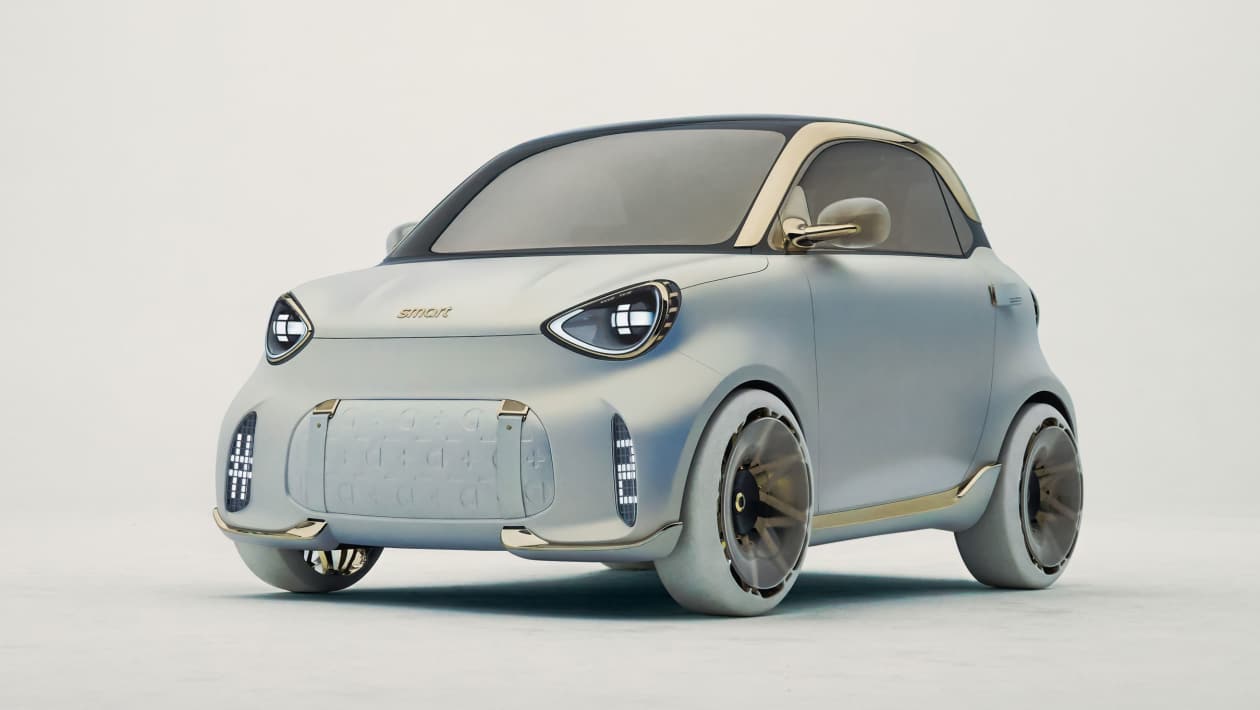
  • New Smart #2 city car heavily hinted at by this outlandish concept

    New Smart #2 city car heavily hinted at by this outlandish concept


    This suggests a changing of priorities to ensure that cars make it to market quickly, which is essential in an age of Chinese competition. However, despite this emphasis on quick development, the new #2 will be targeted primarily towards the European market. 

    How much will the Smart #2 cost?

    While Smarts have always been funky, they’ve never been particularly cheap. We expect this new generation of the city car to cost in the region of £20,000 to £25,000. Some European companies are in the process of bringing low-cost EVs to market at under that figure, to which Adelmann responded: “there’s no reason we can’t being [the #2] in at that price.”

    Advertisement – Article continues below

    We discussed the possibility of a ForTwo successor with now-former Smart UK CEO Jason Allbutt in an exclusive interview, and he said the return of the cult-favourite city car could “help almost bring the brand together in a way, and I think it definitely could be a positive if it were to happen”.

    Allbutt acknowledged that cost will be key for an entry-level model like this, but added that while “starting price is certainly important, I wouldn’t say it’s the be all and end all”. He added: “We still want to make sure we’ve got a premium product, and of course, one that has got a good range for a small electric car.”

    The UK boss pointed out that the original ForTwo wasn’t created to be a bargain-priced model, and it would be a similar story with the #2. “We’re not necessarily looking to have the cheapest car available in the market, but we are looking to make sure that we’re affordable enough to generate enough volume, then not move too far away from our heritage or what we stand for,” Allbutt explained. “I don’t necessarily see a difference completely between affordability and premium – I think you can be both.”

    Buy a car with Auto Express. Our nationwide dealer network has some fantastic cars on offer right now with new, used and leasing deals to choose from…


    Source link

  • Zeekr explains pivot to include plug-in hybrids alongside EVs

    Zeekr explains pivot to include plug-in hybrids alongside EVs


    Once proudly electric-only, Zeekr is now looking to make a big splash in the hybrid space.

    Once upon a time, Zeekr pledged to be an EV-only premium brand for the global market.

    That was only in 2021, when this luxury sub-brand from Geely first launched. But that promise has already changed.

    Zeekr recently confirmed plans to introduce plug-in hybrid technology for a range of large SUVs in Australia, after their launch in its home market of China.

    MORE: Zeekr high-performance ‘FR’ sub-brand set for reboot

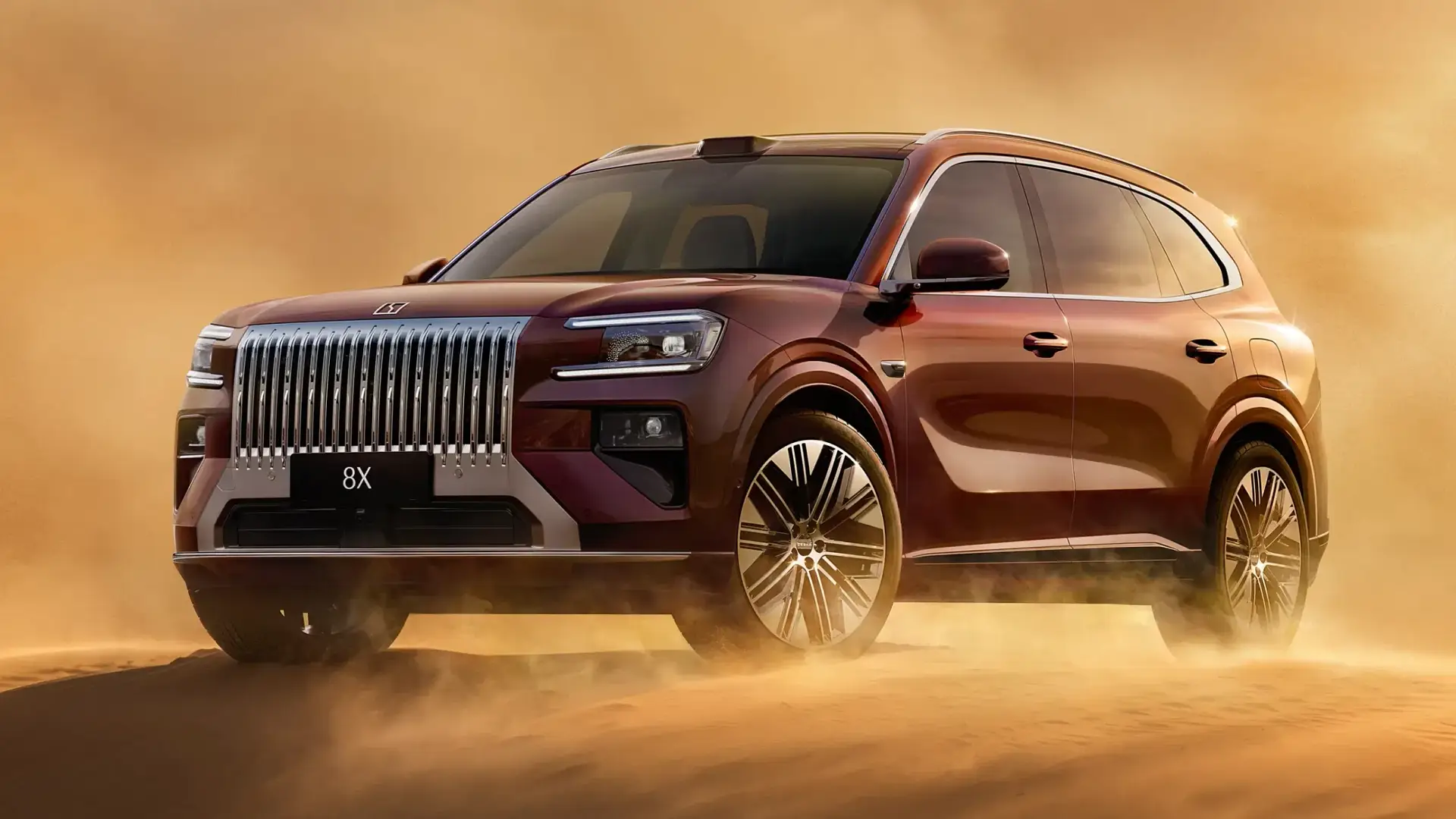
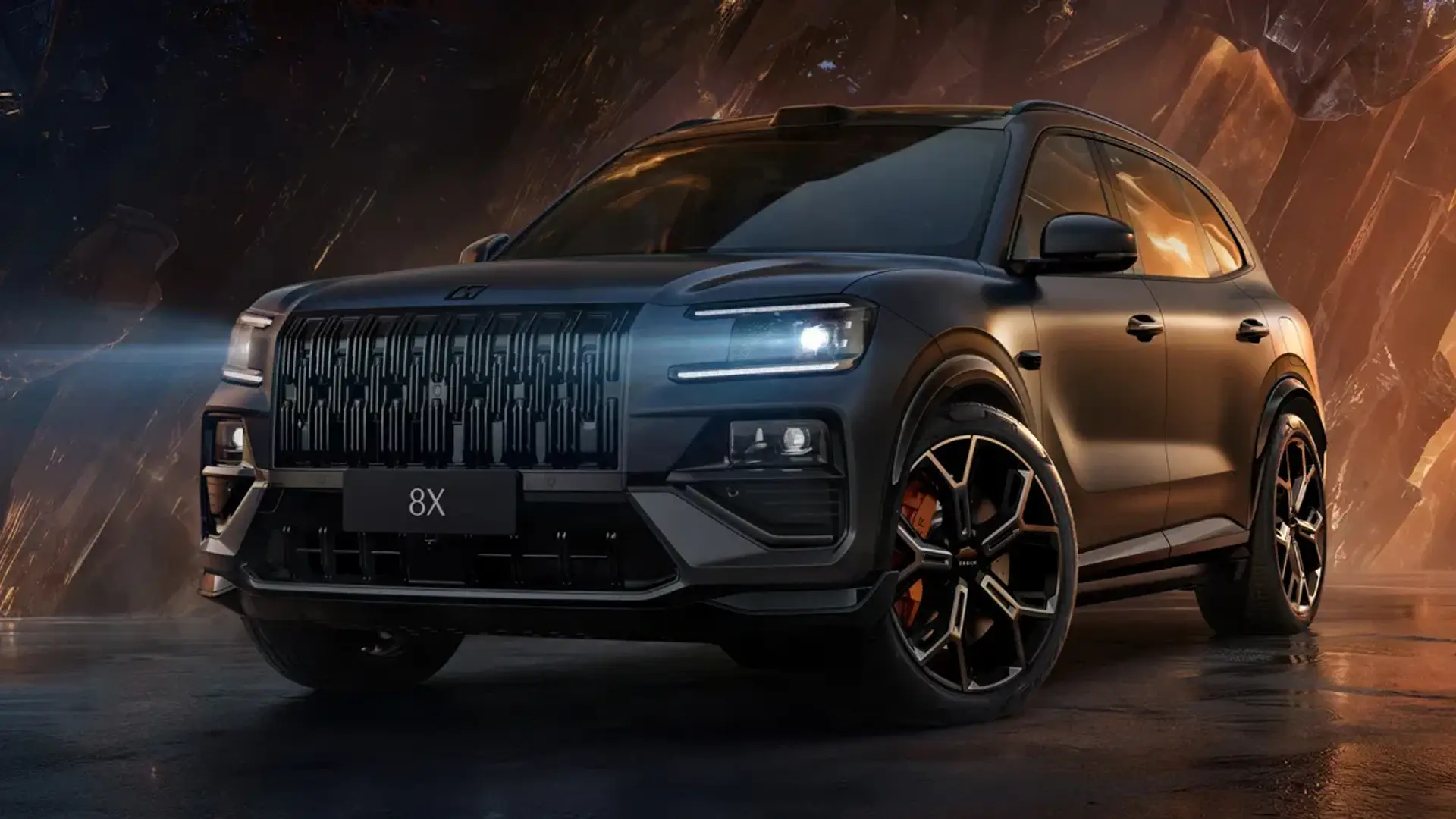
    First amongst these are the 8X and 9X, which share a turbocharged 2.0-litre petrol engine along with large 900-volt batteries and up to three electric motors, depending on trim level.

    Along with long electric-only driving ranges – up 330km claimed, on the lenient CLTC testing cycle – the Zeekr 8X and 9X also offer prodigious combined power of up to 1030kW with three electric motors.

    These two models are locked in for Australia, joining existing fully electric offerings like the X and 7X SUVs, as well as the 009 people mover.

    “As a brand, we are five years old. I remember three years ago, we had big success with 001 and 009,” Mars Chen, global Vice President for Zeekr, told media including Drive.

    MORE: Zeekr 7GT, 8X and 9X confirmed for Australia in major model expansion

    “At that moment, we were sure about one thing: The world will not always be ICE [internal combustion] or EV [electric]. It has to have two powertrains. So, by knowing that reality, the company decided to prepare some hybrid models.

    “We also realised there’s some models that were very successful, like Li Auto and Aito by Huawei (two car brands for the Chinese market), using the range extender powertrain.

    “With us, we don’t want to simply replicate. We realised that actually our super hybrid system, which you see on the 8X and 9X, is not just a plug-in hybrid. It’s a mix.”

    MORE: Zeekr X sales to triple after price slash up to $13,000

    In the case of the Zeekr 8X and 9X, acceleration comes mostly from the two or three electric motors. The petrol engine is there mostly to charge the battery directly, but can also drive the front wheels at highway speeds for improved efficiency.

    “The experience we want to bring to the customer, we want to feel more electrical. Which means silent, huge torque and without any latency,” Chen said.

    “[The Zeekr PHEV technology] feels more like an EV, but this car does have an engine inside. And the [driving] range, you don’t need to worry.”

    MORE: 2026 Zeekr 7X Black Special Edition price announced, on sale now

    But at the same time, Chen pointed out the appeal of petrol power for many buyers, despite the growing popularity of electric cars.

    “In this segment, most of the people are my age or above, I am 42 this year,” Chen said.

    “We are talking about the real petrol heads. Still, they want to see the big engine, and see combustion technology in the car. They still want to talk about the horsepower, just from the engine.”

    In the case of the Zeekr 8X and 9X, under the bonnet is a turbocharged 2.0-litre petrol four-cylinder that makes 205kW and 410Nm.

    MORE: Chinese SUVs headline latest ANCAP safety results

    Waiting in the wings is something bigger: a 3.0-litre turbocharged petrol V6, which is reported to make up to 400kW and 700Nm, and is due in its first production vehicle from 2028.

    This engine comes from Horse Powertrain, a collaboration between Geely and Renault, created to produce petrol engines for the two car giants for a variety of applications.

    “This gave most of the customers a very strong confidence that even without the battery, the car can still move. not slow, right?” Chen said.

    “So now, with the power coming from the battery in this car, there is nothing to complain about.”

    On the flip side, any chance of the Zeekr 7X mid-sized SUV getting a hybrid powertrain has been dashed. Chen indicated that only larger vehicles are in line for hybrid technology from Zeekr.

    The post Zeekr explains pivot to include plug-in hybrids alongside EVs appeared first on Drive.


    Source link
  • Peugeot E-208 review | Auto Express

    Peugeot E-208 review | Auto Express


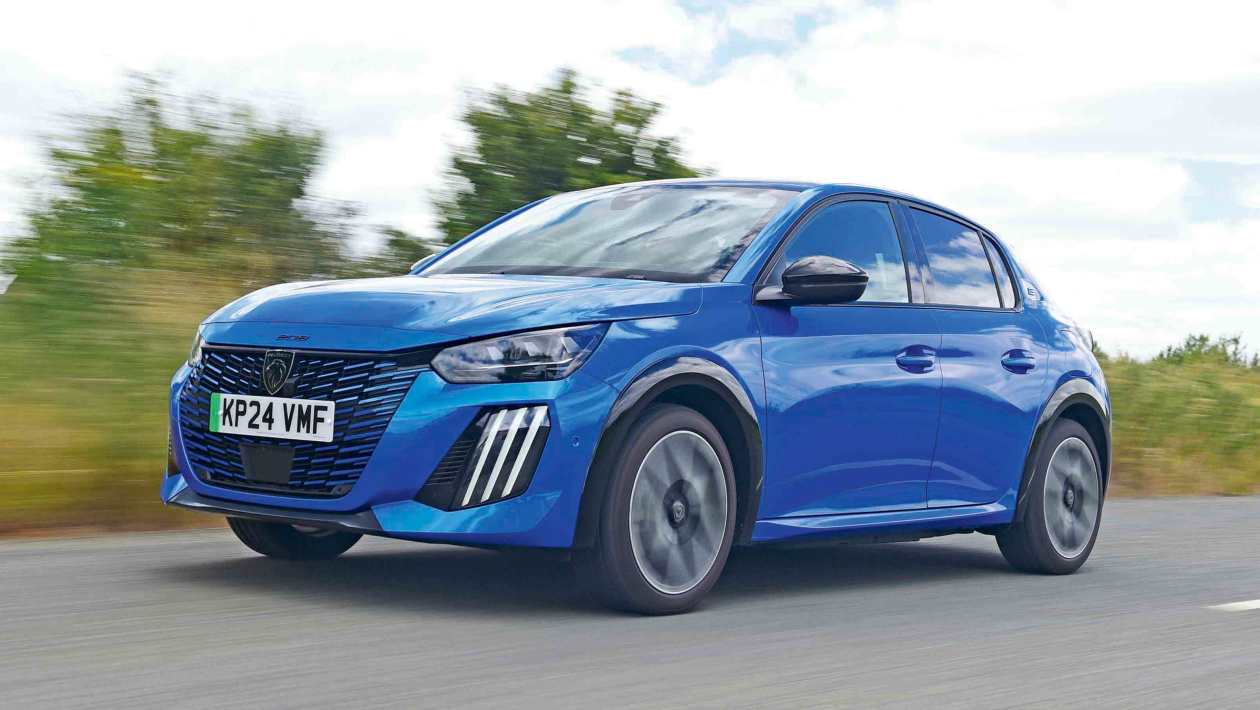
    Despite all of this, it’s still a slightly plusher environment in an E-208 than you’ll find in Vauxhall Corsa, and the materials are probably better resolved than they are in the likes of the BYD Dolphin or the MG4.

    Infotainment, sat-nav and stereo

    A 10-inch touchscreen is fitted to all post-facelift E-208s, along with a 10-inch digital instrument cluster. The GT and GT Premium also overlay projection-based 3D graphics onto the display.

    Advertisement – Article continues below

    The infotainment system is packed with features, but the menu system can be confusing at times, and it’s less intuitive than the units you’ll find in an equivalent electric Hyundai or Kia.

    Wireless Apple CarPlay and Android Auto connectivity are standard across the range, as is voice control and DAB radio. The GT Premium model is also equipped with a wireless charger for keeping your smartphone topped up on the move.

    “Compared with the open, airy feeling you get from the MINI Cooper Electric’s interior, the Peugeot seems much more snug. The high dashboard line plays a large part in that, giving the impression that you’re sitting quite low, but in reality making it just slightly harder to see out.”Alex Ingram, former chief reviewer.

    The Peugeot E-208 is let down by poor rear legroom and nowhere to stow the charging cables

    Pros

    • Bigger boot than some key rivals
    • Only available with five doors for better access

    Cons

    • Cramped in the back seats
    • No dedicated cable storage

    The Peugeot E-208 offers a reasonable amount of boot space compared to some key players in the supermini sector, but it’s a long way from being a practicality class leader.

    Dimensions and size

    The Peugeot E-208 is ever so slightly shorter than the Vauxhall Corsa Electric with which it shares a platform, but it boasts the bigger boot of the two.

    Dimensions comparison 
    Model Peugeot E-208 Vauxhall Corsa Electric Renault 5
    Length 4,055mm 4,060mm 3,922mm
    Width  1,765mm 1,765mm 1,774mm
    Height 1,430mm 1,430mm 1,498mm
    Wheelbase 2,540mm 2,540mm 2,540mm
    Boot space  309 litres 267 litres 277 litres

    Seats & passenger space

    Climb aboard the E-208, and you’re instantly reminded that this is one of the more compact superminis that’s devoted to stylish touches more than outright practicality. The header rail feels low as you slide into either of the front seats, and with our road testers’ ample frames, we felt like we were wearing the car instead of sitting in it, and had to pull the wheel out too far for our liking, just for it to clear our knees

    Advertisement – Article continues below


    Source link

  • Shrunken Fiat Panda set to be Italy’s people’s car

    Shrunken Fiat Panda set to be Italy’s people’s car


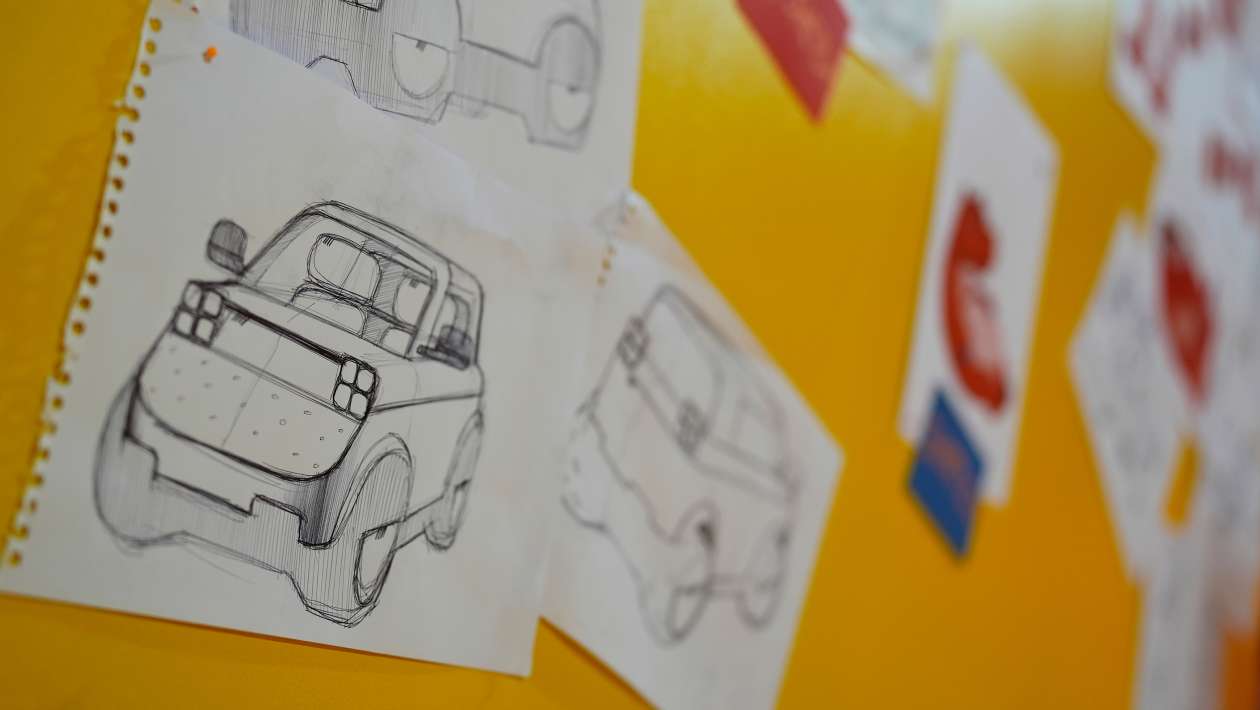
    It’s for this reason that the future Pandina successor is likely to follow Fiat’s current multi-fuel strategy and be offered both with a small, mild-hybrid petrol engine, as well as – for the first time – a full-EV powertrain.

    “[Customers] need the Pandina to be small enough to move in the city, big enough to bring the family on vacation – from Milan maybe to Naples,” Thorel told us. “What is the right energy for this customer? It cannot be electric. If I need to go from Milan to Naples, however efficient my battery is, how many times will I need to stop? 

    “But for the other customer, this car can be electric. If my second house is one hour from my city, I can drive electric, no problem. That’s why it’s so important to be multi-energy,” the Fiat boss said.

    Fiat design drawing board

    Asked if this shift to electric could open the Pandina back up to markets outside of southern Europe, Thorel said: “Technically, yes. The question is: what is the volume potential? The A-segment in Europe is pretty limited. So yes, it would open for sure, but I don’t know, honestly, how much.”

    Advertisement – Article continues below

    He again emphasised how important his Italian customers would be in shaping the next Pandina: “Whatever the next compact car, I have one duty,” he said. “That is to give the right solution to the ‘Popolo di Pandina’ – the Pandina customer base. Because in reality, in Italy, it’s a real population. We’re talking millions; on average, every year we sell 100,000 Pandinas. If I don’t give them the next generation that fulfils what they need, one that moves them into the future, I don’t think we will honour our role.


    Source link

  • Latest mobile phone and seatbelt detection camera locations for Melbourne and Victoria: May 2026 mapped

    Latest mobile phone and seatbelt detection camera locations for Melbourne and Victoria: May 2026 mapped


    This map shows the 357 locations Victoria Police can place their mobile phone and seatbelt detection cameras in May 2026.

    While mobile phone and seatbelt detection camera positions can vary month to month in Victoria, police are obliged to publish the potential locations for public transparency.

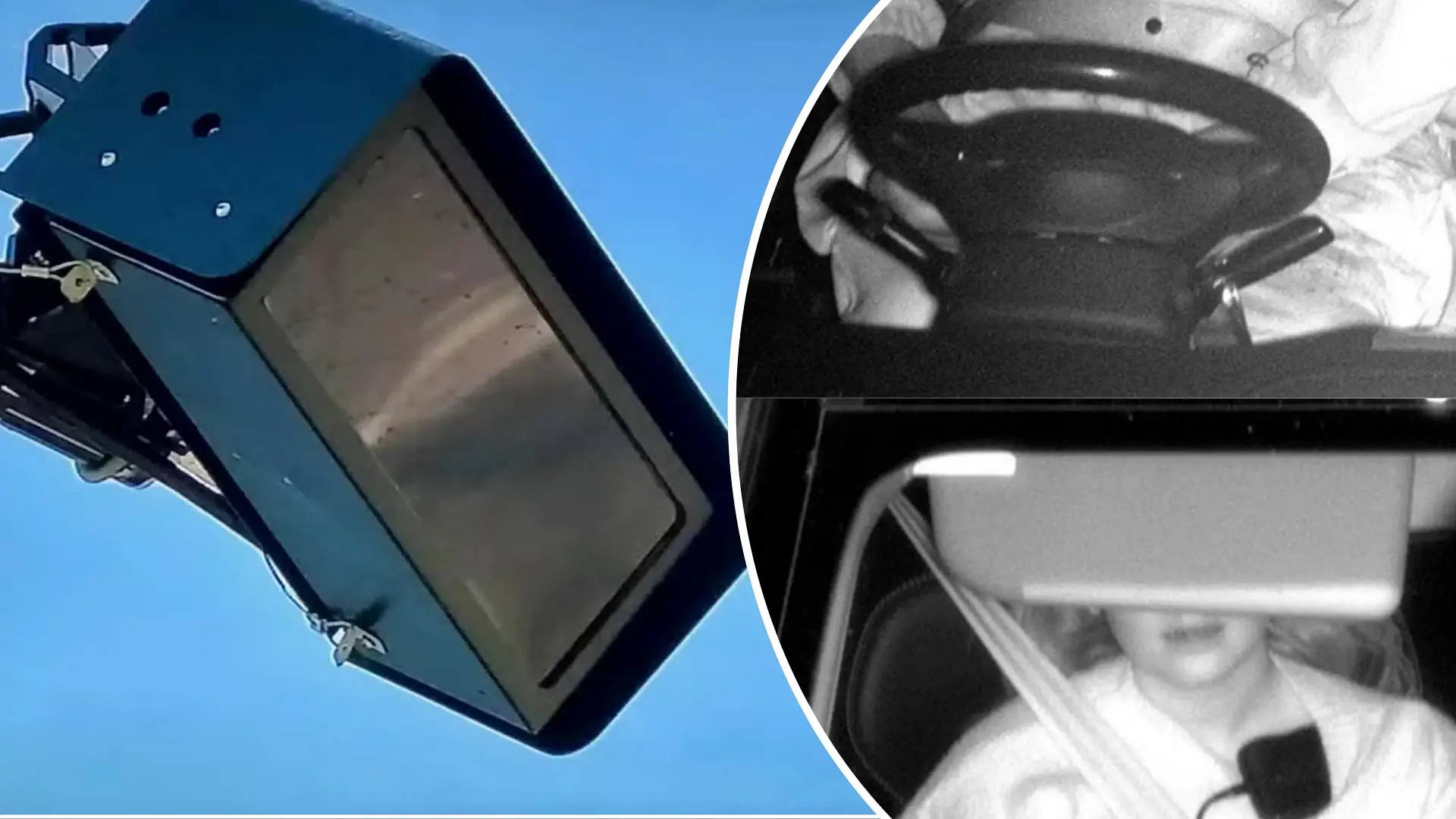
    Mobile phone and seatbelt detection cameras are mounted high up on portable trailers and photograph drivers from above as they pass.

    The cameras detect if the driver is using a mobile device illegally, or failing to wear their seatbelt in a legal fashion.

    The map below shows mobile traffic cameras in their latest approved locations around Victoria.

    May 2026 mobile phone and seatbelt detection camera locations Victoria

    Hover your mouse over, or tap, the red symbols to see more information about each camera’s location and reason for its potential placement.

    These spots are not just picked at random, with various justifications used by Victoria Police:

    • Documented history of collisions or road trauma within the previous three years.
    • Validated complaints of drivers using portable devices illegally, or with the improper wearing of seatbelts.
    • Identified by police as deemed necessary.
    • The road environment and physical characteristics are likely to encourage a higher frequency of driver distraction or improper wearing of seatbelts.

    The majority of camera locations (94 per cent) include a documented history of collisions or road trauma within the previous three years, as at least one of the reasons for their placement.

    A total of seven new camera locations have been added and none removed, including two entries along the Great Ocean Road in Apollo Bay. The new locations are in Apollo Bay, Lorne, and Ocean Grove. A full list of all new locations is at the end of this article.

    May 2026 mobile phone and seatbelt detection camera locations Melbourne

    The 357 possible camera locations for May represent a slight increase from the 350 possible locations in April.

    Victoria’s portable trailer-based mobile phone and seatbelt cameras are supplied and operated by German company Jenoptik.

    Jenoptik originally received a three-year contract valued at over $19 million in 2023 to operate portable DDS cameras in Victoria. Jenoptik recently had this contract extended by 12 months, until 30 June 2026.

    Victoria Police provide a map of all permanent road safety camera locations that you can view here.

    New mobile phone and seatbelt detection camera locations in May 2026

    Road Suburb
    Collingwood Street Apollo Bay
    Great Ocean Road Apollo Bay
    Great Ocean Road Lorne
    Grubb Road Ocean Grove
    Shell Road Ocean Grove
    Wallington Road Ocean Grove

    The post Latest mobile phone and seatbelt detection camera locations for Melbourne and Victoria: May 2026 mapped appeared first on Drive.


    Source link