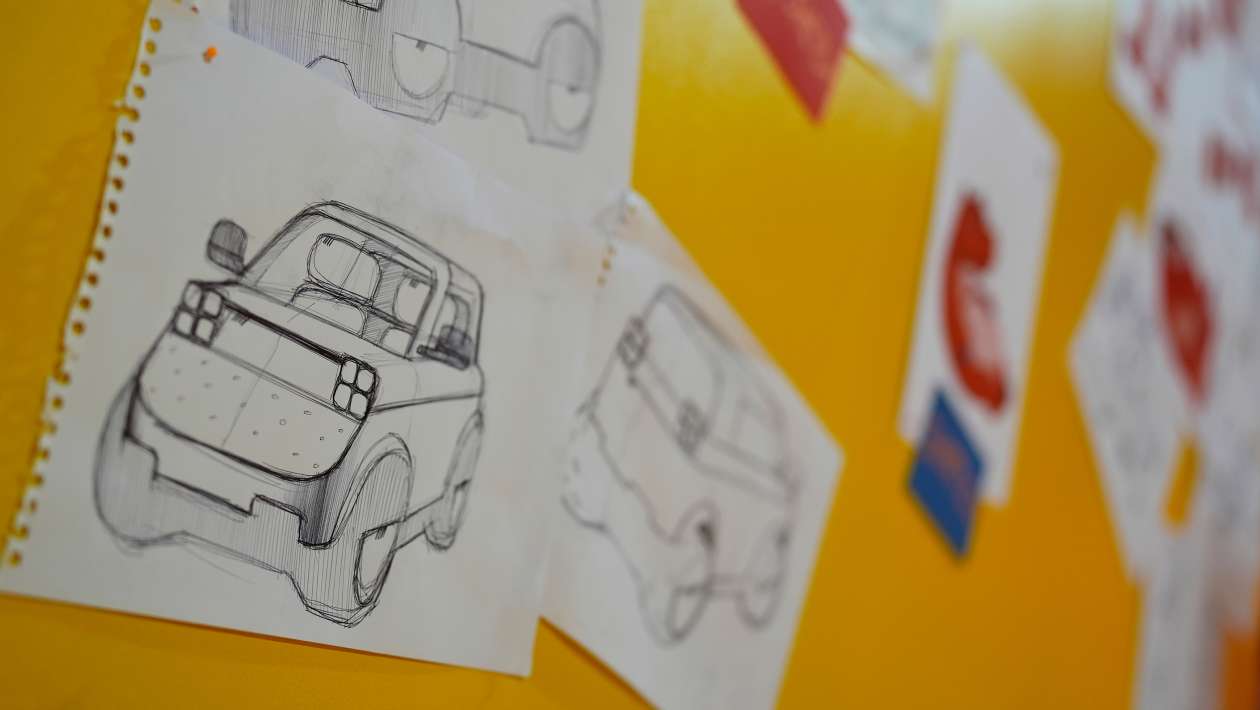
It’s for this reason that the future Pandina successor is likely to follow Fiat’s current multi-fuel strategy and be offered both with a small, mild-hybrid petrol engine, as well as – for the first time – a full-EV powertrain.
“[Customers] need the Pandina to be small enough to move in the city, big enough to bring the family on vacation – from Milan maybe to Naples,” Thorel told us. “What is the right energy for this customer? It cannot be electric. If I need to go from Milan to Naples, however efficient my battery is, how many times will I need to stop?
“But for the other customer, this car can be electric. If my second house is one hour from my city, I can drive electric, no problem. That’s why it’s so important to be multi-energy,” the Fiat boss said.
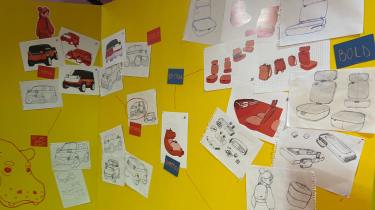
Asked if this shift to electric could open the Pandina back up to markets outside of southern Europe, Thorel said: “Technically, yes. The question is: what is the volume potential? The A-segment in Europe is pretty limited. So yes, it would open for sure, but I don’t know, honestly, how much.”
He again emphasised how important his Italian customers would be in shaping the next Pandina: “Whatever the next compact car, I have one duty,” he said. “That is to give the right solution to the ‘Popolo di Pandina’ – the Pandina customer base. Because in reality, in Italy, it’s a real population. We’re talking millions; on average, every year we sell 100,000 Pandinas. If I don’t give them the next generation that fulfils what they need, one that moves them into the future, I don’t think we will honour our role.