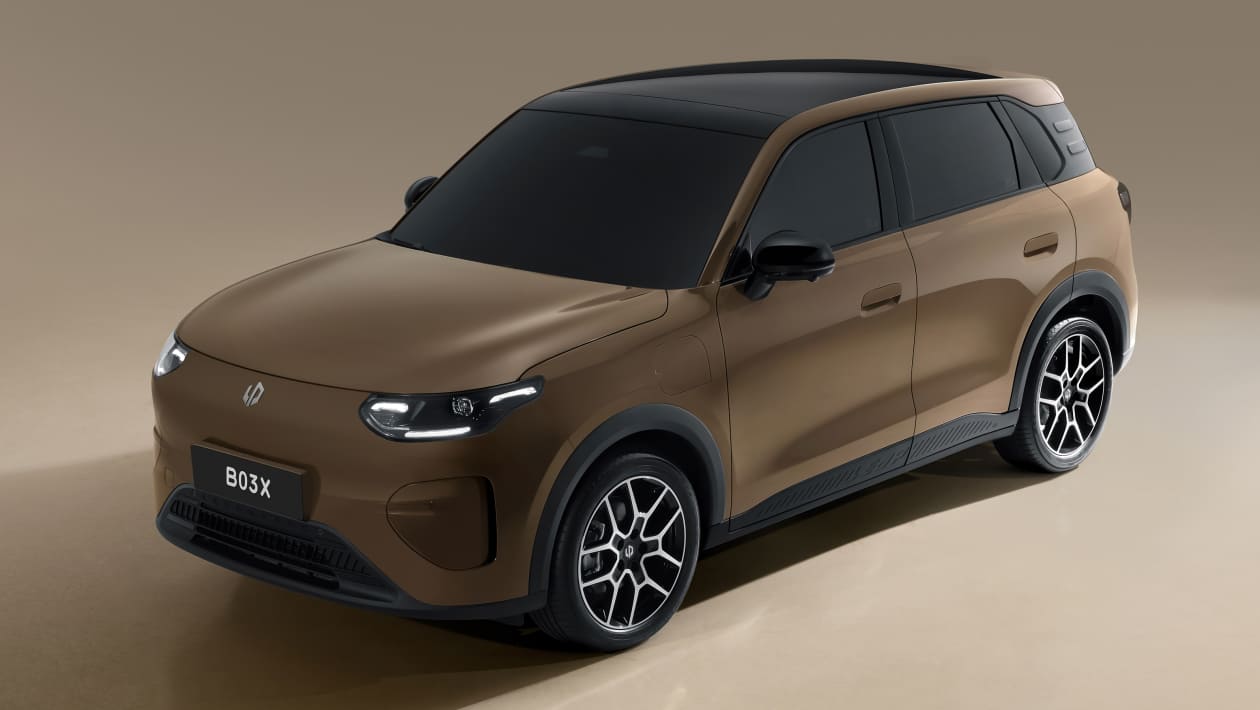
• Future of Leapmotor: Chinese brand to unleash B10 and B03X SUVs, plus B05 hatch

    Future of Leapmotor: Chinese brand to unleash B10 and B03X SUVs, plus B05 hatch


    “Every single unit we sell and every single Euro we make, we are fully consolidated into the Stellantis book. I always say to my team: ‘we are a start-up with two good parents. The Chinese parent provides innovative technologies and products at competitive cost. And Stellantis is able to give me a strong, powerful European network’,” he said.

    Leapmotor is able to tap its European parent for administrative functions such as IT and customer management software, parts warehousing and logistics. Xin is confident parts can be with service centres within a day or two to minimise vehicle downtime. 

    More product initiatives – potentially powered by Stellantis

    With Leapmotor poised to tap into Stellantis’s European factory network, could it also use its platforms? “It would bring more scale,” said the boss, although he counseled that the cars must be strongly differentiated.

    And with Leapmotor reliant on EV and hybrid power, could it broaden its powertrain offer with access to staples such as Stellantis’s 1.2-litre three-cylinder turbo engine? “If it’s possible, if it’s needed,” Xin explained. “That’s one of the beauties of this deal. What you mention is one of the potential opportunities to be explored between Leapmotor and Stellantis.”
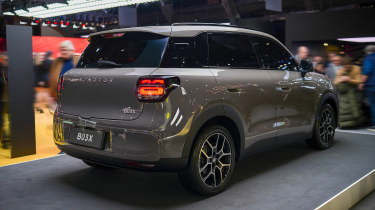
    Leapmotor B03X at Brussels

    This would give Leapmotor the chance to attack the non-EV market, because its small cars are currently only engineered for electric power, and REx powertrains are reserved for bigger cars. 

    “For instance, REx will come in bigger cars, because you need space for an engine and big batteries, and you drive longer distances. So B10 and C10 both have hybrid EV technology plus pure BEV. For the other vehicles we are focusing on pure BEV technologies, but it doesn’t rule out in the future that we will introduce other alternative powertrains into those cars as well, depending on how fast this energy transition is going to happen outside of China.”

    Even with just the two powertrains, Xin believes his brand is set for decent growth. “For most of 2025, we had only two models, but we managed to register more than 35,000 units, with actual sales topping 60,000. And Leapmotor globally has announced a one million volume target for 2026. My objective is Europe should contribute more than 10 per cent of that volume.”

    Did you know you can sell your car through Auto Express? We’ll help you get a great price and find a great deal on a new car, too.


    Source link

  • 2026 Farizon V7E electric van priced competitively for tradies

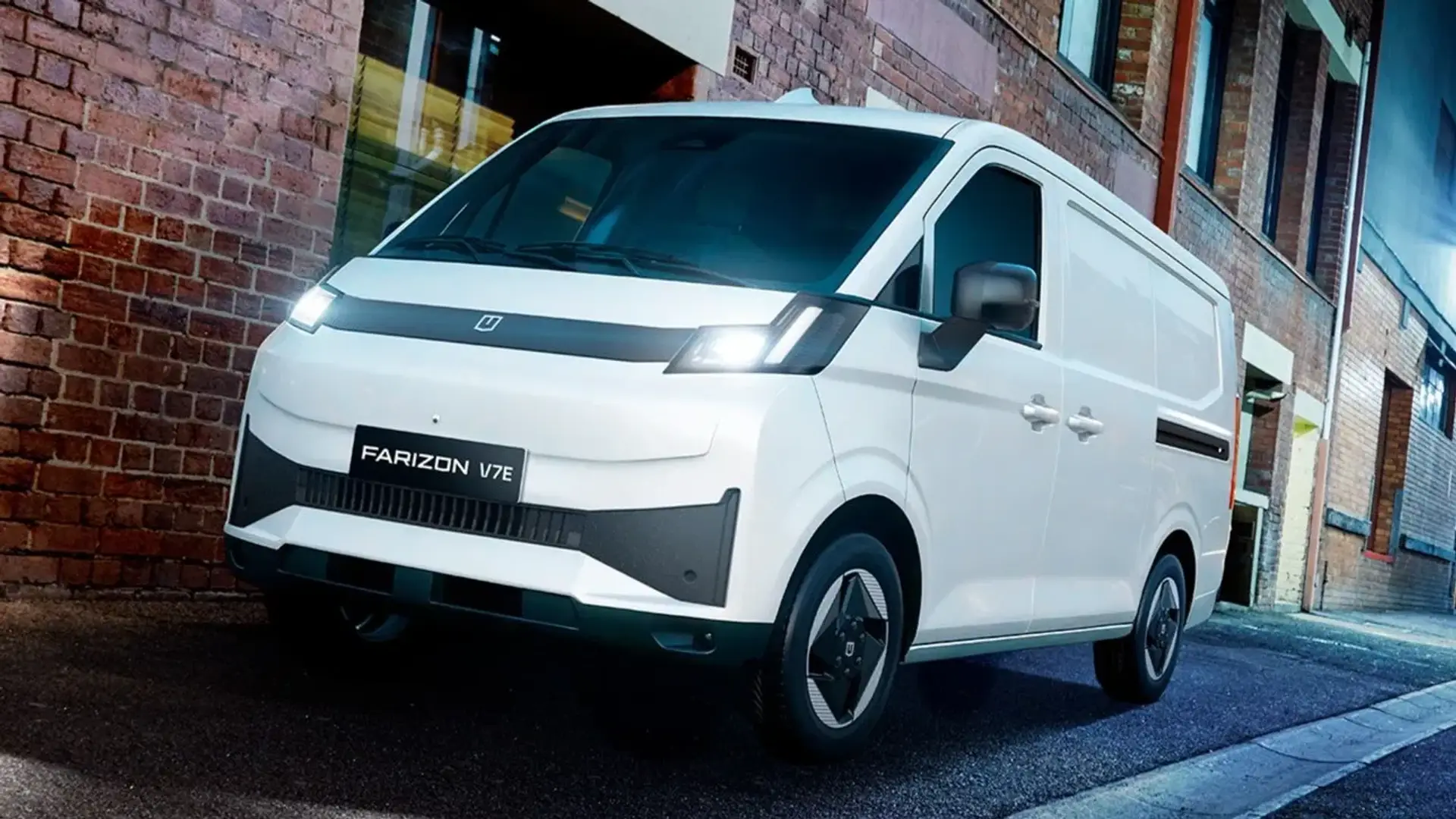
    2026 Farizon V7E electric van priced competitively for tradies


    The small electric commercial van, which is due to compete with urban-focused models such as the VW Caddy, is available from under $50,000 drive-away.

    Jameel Motors has announced pricing for the all-new Farizon V7E electric commercial van, priced from $49,990 drive-away for the standard-range 50kWh grade.

    Buyers can also opt for the longer-range 66kWh variant, which is positioned at $53,990.

    The Farizon V7E is due to compete with smaller commercial vans such as the Kia PV5, Volkswagen Caddy and Peugeot Partner when it arrives locally from May.

    The city-focused commercial van is powered by a single electric motor driving the front wheels, producing 110kW and 230Nm, and is paired to a 50kWh lithium-iron phosphate (LFP) battery rated to deliver 240km of WLTP driving range.

    MORE: Farizon V7E electric city van coming to Australia

    A 66kWh model has been confirmed for Australia and will bring up to 329km of WLTP driving range.

    The Farizon V7E van is offered with a 1300kg payload and 6.95 cubic metres of cargo volume. It measures 4995mm long, 1820mm wide, and 1985mm high.

    The V7E will run on 400-volt architecture and accept up to 100kW DC fast-charging for a 10-80 per cent charge time of 26 minutes for the 50kWh version, and 33 minutes for the larger 66kWh battery using slightly slower 97kW DC fast-charging.

    Inside is a 12.3-inch infotainment touchscreen with Apple CarPlay and Android Auto, and a 7.0-inch digital instrument cluster.

    MORE: Geely Farizon SV electric taxi rolls out to right-hand-drive markets

    For safety, it will feature front and rear parking sensors, adaptive cruise control, front and rear collision warning, lane-keep assist, and autonomous emergency braking (AEB).

    Other features include blind-spot monitoring, a 360-degree parking camera, heated and ventilated seats, and a heated steering wheel.

    Automatic LED headlights, LED tail-lights, along with 240V Vehicle to Load charging (V2L) for powering tools and appliances.

    Jameel Motors Australia general manager Adam Lawson said in a media release the “V7E reflects a growing shift in the commercial vehicle market as electric options become increasingly viable for day-to-day business operations”.

    Lawson also pointed towards the V7E’s “pricing that sits competitively alongside traditional ICE vans, combined with the potential for lower running and servicing costs over time” as a potentially better option for buyers.

    The post 2026 Farizon V7E electric van priced competitively for tradies appeared first on Drive.


    Source link

  • Car Deal of the Day: hot Volkswagen Golf R Estate offers pace and space for £301 a month

    Car Deal of the Day: hot Volkswagen Golf R Estate offers pace and space for £301 a month


    • Fearsome performance; excellent practicality
    • 328bhp, four-wheel drive
    • Only £301.48 a month

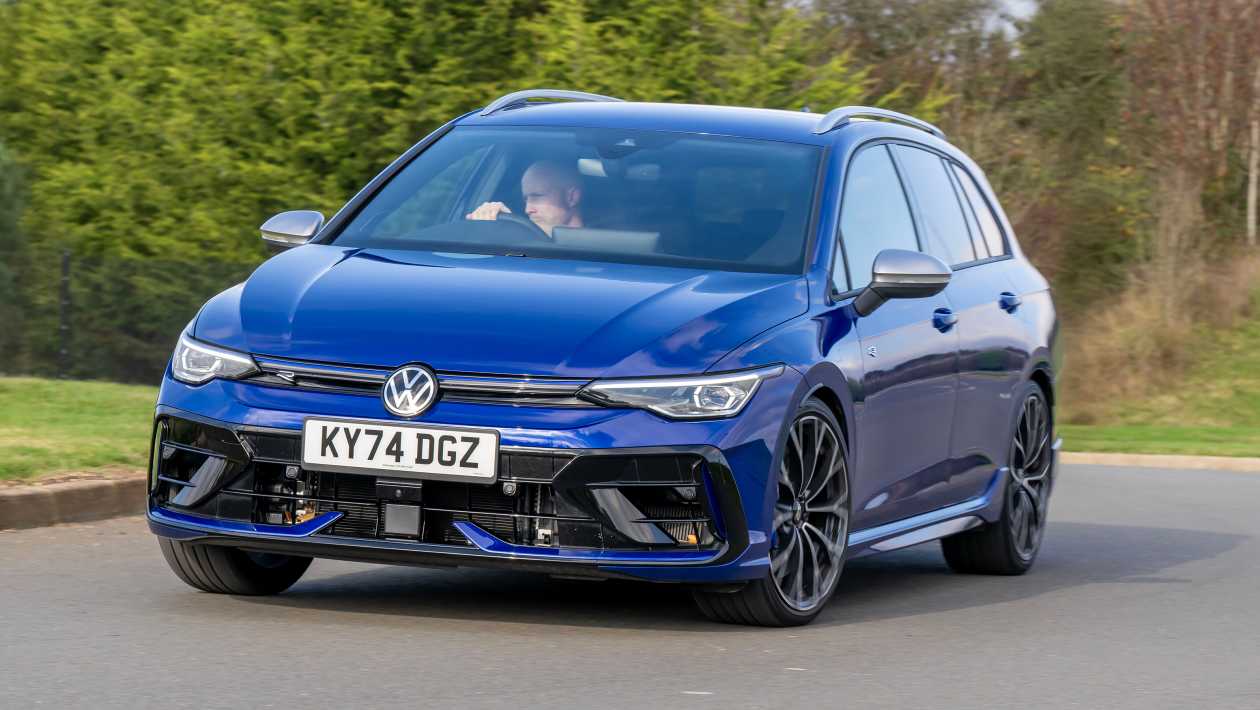
    If you thought the £327-a-month Volkswagen Golf R deal we featured last month was scorching value, then get a load of this. The more practical, but-no less-fire-breathing, Golf R Estate could be yours for a bonkers £301 a month right now.

    Advertisement – Article continues below

    This scintillating offer comes from VIPGateway through the Auto Express Buy A Car service. All that’s needed to get this three-year agreement up and running is a 12-month initial payment of £3,987.71, while mileage is capped at 5,000 a year.

    You can tweak the deal to suit your requirements of course. If that 12-month downpayment is a little bit much for you, then you can knock it to nine months at £3,144.98, with the monthly outlay still being a very reasonable £322.17. 

    Or perhaps you need more mileage? You can raise the limit to 8,000 miles a year for £21.17 extra a month after the 12-month initial payment, or £23.19 extra if you make the nine-month initial payment. 

    While GTI versions of the Golf deliver a purer driving experience, the R Estate is the ultimate when it comes to everyday performance and usability. 

    At the heart of the R is a 2.0-litre turbocharged four-cylinder engine packing a fearsome 328bhp, allowing a 0-62mph acceleration time of 4.6 seconds and a top speed of 155mph. A trick four-wheel drive system gives all-weather traction, while DCC3 (Dynamic Chassis Control) allows the driver to tweak the dampers and suspension as they see fit. 

    The Golf R Estate has a massive 611-litre boot that expands to over 1,600 litres when the back seats are folded down, meaning it’s one of the most practical performance cars around. 

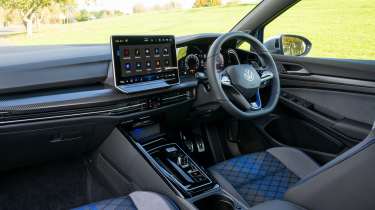
    Aside from the extra practicality, the rest of the package is pure Golf R, so there’s a pair of sports seats trimmed in racy blue-on-black fabric, lashings of Alcantara trim, paddle-shifters for the seven-speed dual-clutch automatic gearbox, and a plush feel to the materials.     

    VW Golf R Estate - interior

    The Car Deal of the Day selections we make are taken from our own Auto Express Buy A Car deals service, which includes the best current offers from car dealers and leasing companies around the UK. 

    Terms and conditions apply, while prices and offers are subject to change and limited availability. If this deal expires, you can find more top VW Golf R Estate leasing offers from leading providers on our VW Golf R Estate page.

    Check out the VW Golf R Estate deal or take a look at our previous Car Deal of the Day selection here…


    Source link

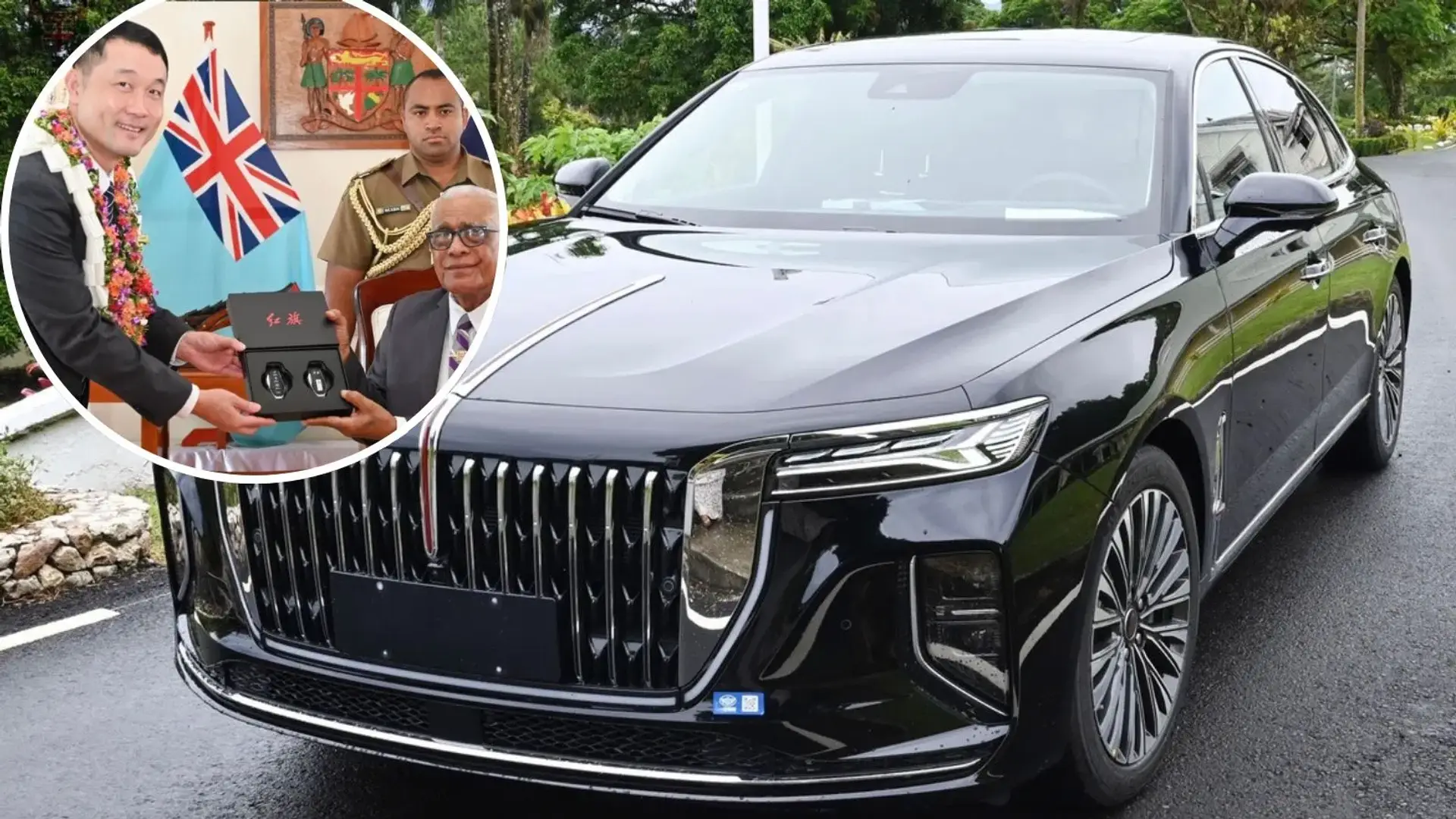
  • Australia and China are gifting cars to other countries – here’s why

    Australia and China are gifting cars to other countries – here’s why


    Ethan Cardinal graduated with a Journalism degree in 2020 from La Trobe University and has been working in the fashion industry as a freelance writer prior to joining Drive in 2023. Ethan greatly enjoys investigating and reporting on the cross sections between automotive, lifestyle and culture. Ethan relishes the opportunity to explore how deep cars are intertwined within different industries and how they could affect both casual readers and car enthusiasts.

    Read more about Ethan CardinalLinkIcon


    Source link

  • If you’re buying a car online you still shouldn’t skip a visit to the dealer

    If you’re buying a car online you still shouldn’t skip a visit to the dealer


    After several further attempts to connect her car to the mains, something clicked and the car accepted the charge. Despite solving the problem, the question surrounding that handover (or lack thereof) was impossible to ignore. I couldn’t help feeling that in spite of her good intentions, my sister had been significantly shortchanged.

    Dealers might be daunting, but they’re often an invaluable source of knowledge and expertise, and I’d encourage you to lean on them as much as necessary. No one knows the cars like they do.

    Whether it’s deciphering a tricky touchscreen or simply finding out how to lift the bonnet and refill the washer fluid, a proper handover is worth its weight in gold. I’ve every confidence that if my sibling had asked for someone to show her the ropes, she’d never have had the difficulties she did.

    So, even if you intend to buy online, make sure you visit your local dealer. Sit in the car, familiarise yourself with the controls, and drive it on familiar roads. If anything’s unclear, ask; if you’re going to be stuck with a car for three years or more, you might as well get the most out of it…

    Buy a car with Auto Express. Our nationwide dealer network has some fantastic cars on offer right now with new, used and leasing deals to choose from…


    Source link

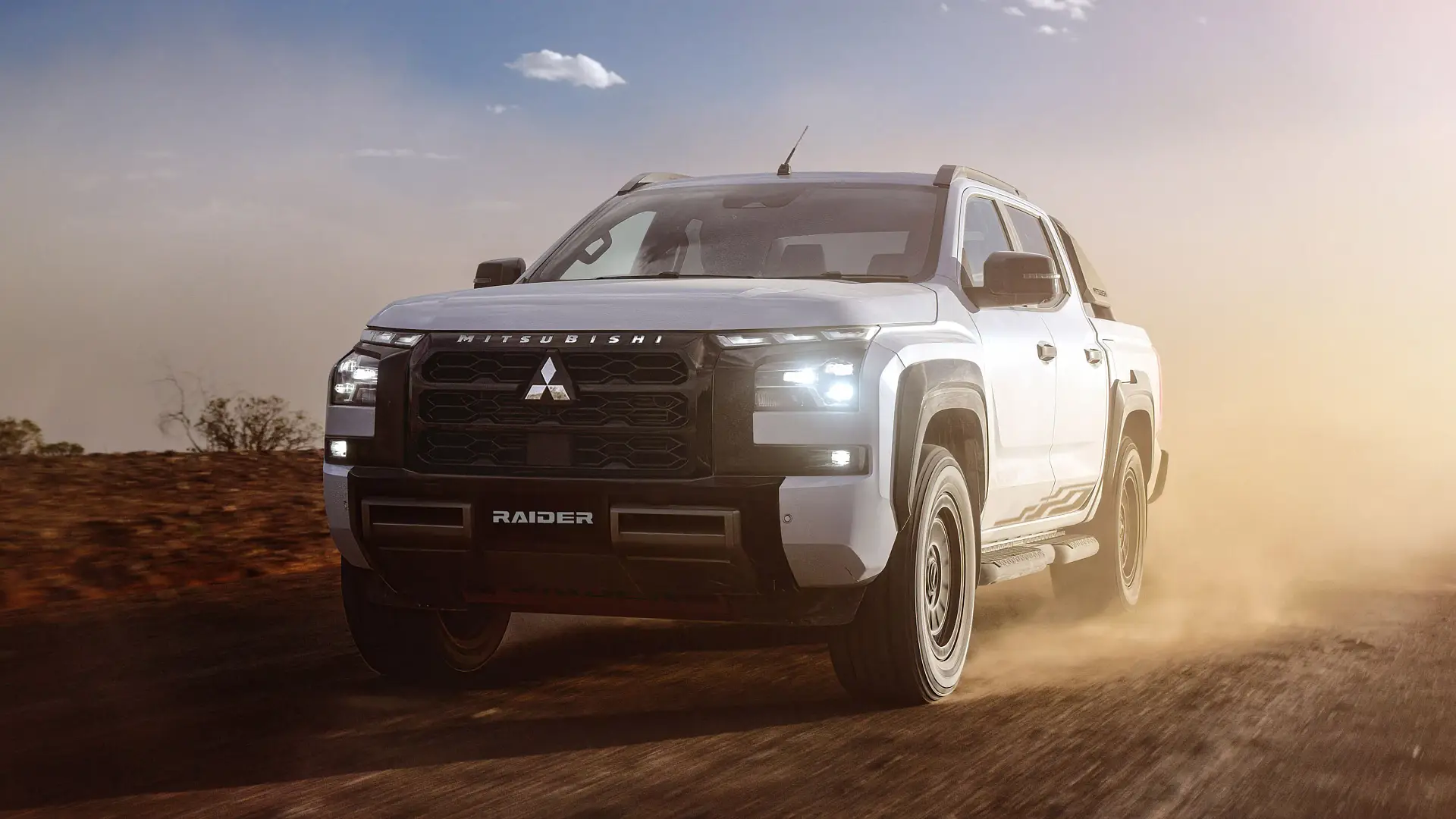
  • Mitsubishi Australia open to expanding Raider off-road sub-brand beyond Triton

    Mitsubishi Australia open to expanding Raider off-road sub-brand beyond Triton


    Mitsubishi Australia’s new Raider sub-brand could eventually expand into its SUV models, such as the Outlander and the upcoming Pajero.

    Mitsubishi Australia’s new Raider off-road sub-brand could eventually expand beyond its Triton ute to include its SUV models, such as the Outlander and the new-generation Pajero, due later this year.

    Speaking to Drive at the reveal of the 2026 Triton Raider, Mitsubishi Australia product strategy manager Bruce Hampel said the company is looking at “Raider as sort of a sub-brand”.

    “We’re looking at Raider as a sort of sub-brand under the Mitsubishi halo that we think is not nameplate specific [to Triton],” Hampel said.

    “It’s more that concept of the heritage of what Mitsubishi has sort of been in terms of the rally associations with the past.

    MORE: 2026 Mitsubishi Triton Raider revealed – Premcar-modified flagship ute due next month

    “We think customers are looking for that in the other nameplates as well. Outlander is an obvious one, where that’s one of our core markets, core products, and it’s also tailored to a very adventurous lifestyle.

    “We’ll potentially investigate rolling out [Raider] on other nameplates as well, as we go forward.”

    The likely next candidate for the Raider treatment – applied to the Triton by Premcar in Melbourne – is the reborn 2026 Mitsubishi Pajero, a successor to the current, Triton-based Pajero Sport expected to arrive in Australia by the end of this year or early next year.

    MORE: 2026 Mitsubishi Pajero – Price, engines, release date and everything we know so far

    Similar to the Triton Raider, enhancements for the off-road-focused SUV could include a unique suspension setup, a new tyre and wheel package, and design changes inside and out.

    A Mitsubishi Pajero Raider could become a more affordable alternative to the Nissan Patrol Warrior SUV, yet to be confirmed for replacement when the current Patrol Y62 is replaced by the Y63 later this year.

    The Patrol Warrior, also modified by Premcar, includes increased ground clearance, upgraded suspension, more recovery points, all-terrain tyres, and design changes, including underbody protection – plus side-exit dual exhausts for its V8 petrol engine.

    MORE: Mitsubishi Outlander ‘Subaru Outback-like’ off-road edition confirmed for US in 2026

    Meanwhile, the Raider name for the car-based Outlander SUV could instead result from an Australian-market version of a more rugged Outlander variant confirmed for the US this year, rather than a local ‘second-stage’ modification by Premcar.

    Not to be confused with the Outlander Trail Edition, on sale now in the US and sharing its alloy wheel design with the Australian-market LS Black Edition, Mitsubishi USA says the new Outlander grade will be an “off-road-focused vehicle”.

    Mitsubishi USA said the off-road-focused Outlander will add unique bodywork, off-road drive modes and “performance upgrades”, unique interior styling with specific materials, and a “next level” Super-All Wheel Control all-wheel-drive system.

    The post Mitsubishi Australia open to expanding Raider off-road sub-brand beyond Triton appeared first on Drive.


    Source link

  • Clever car buyers skip the fancy new model and get the one it just replaced

    Clever car buyers skip the fancy new model and get the one it just replaced


    Facelifts are a great way for manufacturers to extend the life of cars that might otherwise be showing their age, giving owners a reason to upgrade by offering a subtle new look or enhanced technology. But aside from the obvious, opting for a later model or last-of-the-line run-out special could be the smartest buying decision you ever make.

    Advertisement – Article continues below

    Teething troubles with brand-new models are commonplace. Major recalls often occur within the first few months, while parts supply can be patchy until factories come on stream. Early software glitches are easier to remedy now with the advent of over-the-air updates, but no one wants a buggy sat-nav or patchy connection while waiting for HQ to implement a fix.

    So while it’s deep rooted within the British psyche to want the latest car with cutting-edge tech and features, it makes a lot of sense to let the dust settle and the hype subside. Why not let someone else suffer the inevitable fate of potential dealer visits and endless hours on hold to customer care?

    I’m being facetious, of course. Not all new cars are troublesome straight out of the blocks, but there’s plenty to be said for choosing something with an established reliability record – something with the early issues ironed out and an up-to-date software package free from annoying quirks. If that sounds sensible to you, a facelifted car could be just the ticket.

    Not only will you get the latest look, you’ll also benefit from thousands of hours of independent user testing and millions of miles of real-world evaluation. Car makers spend billions creating new models, but development doesn’t stop the moment the covers come off; global brands can’t afford to rest on their laurels, and the big beneficiary is you – the customer.

    The only thing better than a facelift, in my eyes, is a run-out special edition. These cars, having often spent seven or eight years in-market, come free from erroneous software problems, ergonomic flaws and quality concerns. They are loaded with kit, too – be that flashy interior trim, big screens or exclusive alloy wheels; you might even get an exclusive paint colour if you’re lucky.

    But best of all, dealers want them out of their showrooms – and are likely to have some pretty spectacular finance offers to tempt you with. So do yourself a favour: swerve that sexy new SUV or cool coupe and find a trouble-free facelifted car with all the bells and whistles instead.

    Whether you’re buying old or new, our Buy a Car service has plenty of fantastic cars to choose from. Search for the latest deals…


    Source link

  • Plug-in hybrids ‘fast becoming irrelevant’, says Polestar Australia boss

    Plug-in hybrids ‘fast becoming irrelevant’, says Polestar Australia boss


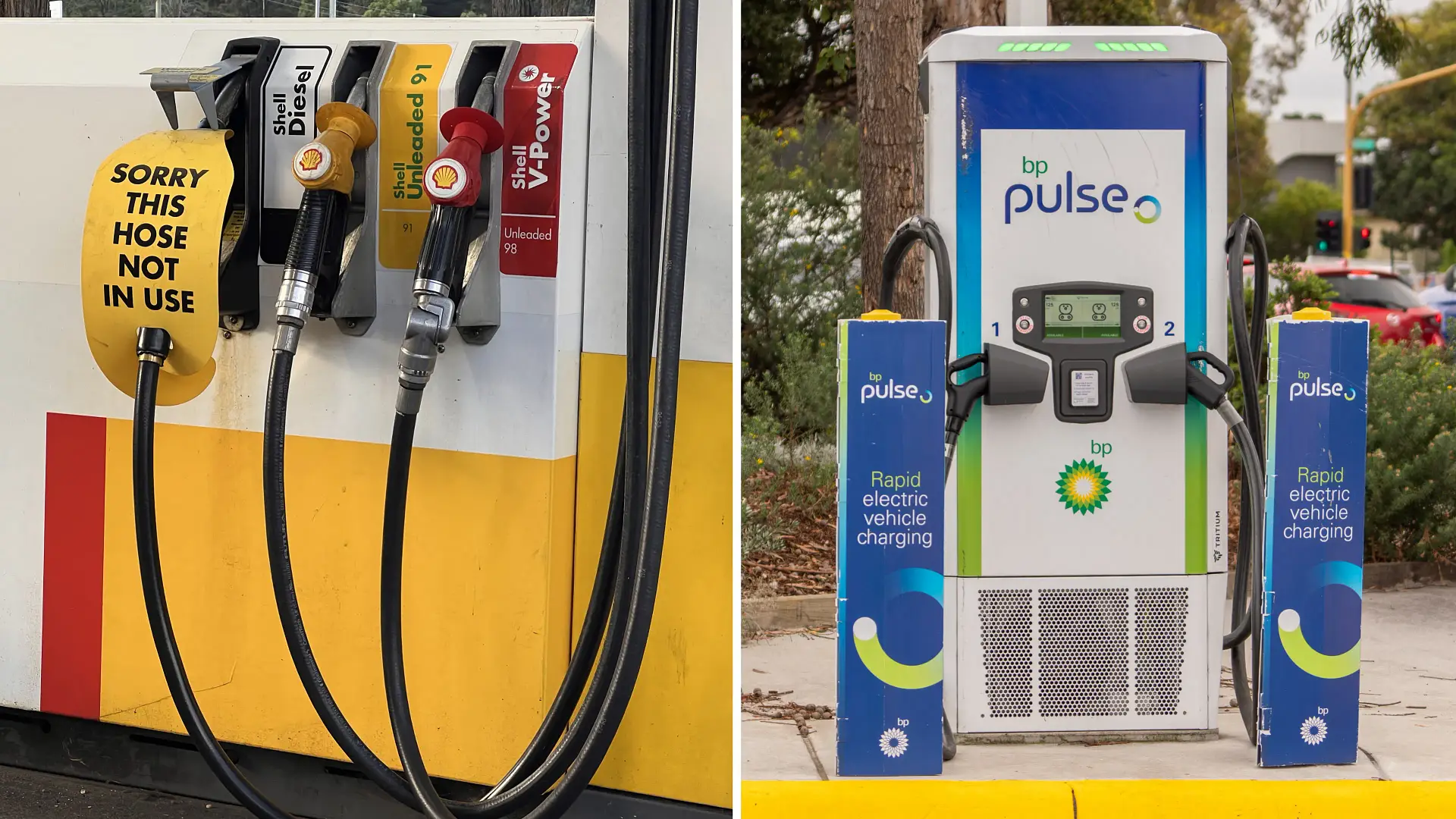
    Plug-in hybrid vehicles are often considered ‘the best of both worlds’, but electric-car specialist Polestar is – unsurprisingly – a big critic.

    Electric-car maker Polestar has claimed plug-in hybrid vehicles (PHEVs) are fast becoming irrelevant as the capabilities of electric vehicles increase.

    While PHEVs are often touted as a ‘best of both worlds’ stepping stone from petrol to electric – and suit buyers who are after an electric-car experience but not confident in Australia’s maligned EV charging network – the Volvo-affiliated brand sees otherwise.

    “I think [plug-in hybrid vehicles] are the worst of both worlds. So you’ve got all the complexity of an electric drivetrain, coupled with all of the weight and complexity of a petrol drivetrain,” Polestar Australia managing director Scott Maynard told Drive

    “You don’t have zero emission, you have an increase in maintenance requirements, because you’ve got all of those varying systems that need to be maintained independently.”

    MORE: The 10 cheapest plug-in hybrids you can buy in Australia in 2026

    As the name suggests, plug-in hybrid vehicles can be plugged in and charged like an electric car, providing an all-electric driving range that varies between models, with popular PHEVs such as the Mitsubishi Outlander PHEV and BYD Shark 6 able to travel around 80km on electric power alone.

    But as PHEVs, these vehicles also retain the familiar features of a fuel tank and petrol engine, enabling owners to use them as a regular vehicle to travel long distances without the need to worry about electric charging infrastructure.

    However, some studies have shown that many PHEV owners don’t often plug in their vehicles to charge – a view shared by Polestar’s Australian boss, aligning with the brand’s practice of selling only electric vehicles.

    “They’re propped as a stepping stone to electric, [but] it’s often the case that people that buy and drive those cars rarely plug them in to charge them. So, not a great… fan of that style of vehicle,” Maynard said. 

    MORE: Polestar won’t rejoin top Australian car industry body until it ‘stops fighting’ emissions rules

    “Anything that makes some form of difference to the amount of fuel that we burn in the country has a purpose, I suppose, but it’s served its purpose.

    “We’ve now got a range of electric vehicles that push well in excess of 500 kilometres’ range on a single charge. We’ve got vehicles that are fast and fun to drive, and we’ve got vehicles that are easy to own and more economical to run than petrol. [PHEVs are] fast becoming irrelevant.” 

    But the Polestar Australia boss said the development of EV charging infrastructure in Australia needs to continue.

    “We would love to see continued focus on charging infrastructure in Australia. It has grown, and the government has put some really good financial support behind it. We [have] also seen pickup from private investors that have served to increase the network of electric charges.

    “We need that work to continue, particularly as the growth rate [of electric vehicle ownership is accelerating.”

    The post Plug-in hybrids ‘fast becoming irrelevant’, says Polestar Australia boss appeared first on Drive.


    Source link

  • New Maserati concept car to preview brand’s future at Paris Motor Show

    New Maserati concept car to preview brand’s future at Paris Motor Show


    Gilles Vidal, new head of European Stellantis design, has confirmed that Maserati will reveal a new future-gazing concept car at the Paris Motor Show in October. 

    Vidal told Auto Express: “If you look at the history of Maserati, every two decades or so there’s a massive shift in the design expression. You had the curvy Maseratis in the fifties and sixties, like the Ferraris and the Rolls-Royces of the era. Then it switched to super-edgy design in the seventies and eighties, and then it switched again. Now it’s back to curvy, but in a different way, yet you can say it’s a Maserati.

    Advertisement – Article continues below

    “So, what we are looking at is what’s the next thing for Maserati. Because the current look is now kind of finished, and we’ve started [looking into] this. If you wait a few months, you’ll see what we are thinking.” This was later confirmed to be a concept car at the Paris Motor Show. 

    The historic Italian brand has been under lots of scrutiny over the past few years due to sluggish sales. Its current model range has failed to resonate with buyers, across both its electrified and ICE ranges. 

    To add insult to injury, the high-end car market’s resistance to EVs has subsequently quashed most, if not all of the brand’s momentum. It had planned for electric cars to be a major part of its future. 

    As a direct consequence of this slow-down in EV development, Maserati has seen the cancellation of imminent product lines such as the all-electric MC20 Folgore, while it’s been rumoured that the next Quattroporte has been culled. These decisions have in effect halted the product plan in the short and medium terms, and with nothing in the immediate Stellantis portfolio suitable to underpin future models from the company, things have been looking rocky. 

    However, the confirmation of a Paris concept car shows that all is not silent at Maserati’s Modenese HQ. What the concept car will be is anyone’s guess at this stage, but expect a big departure from the neoclassical design language that’s been in play for most of the 21st century. But what do you think it could be? Supercar? Low-slug four-door saloon? We look forward to finding out. 

    If you’re looking to buy a new high-end motor like a Maserati, make sure to check out the Auto Express Buy a Car service now for all the latest deals… 


    Source link

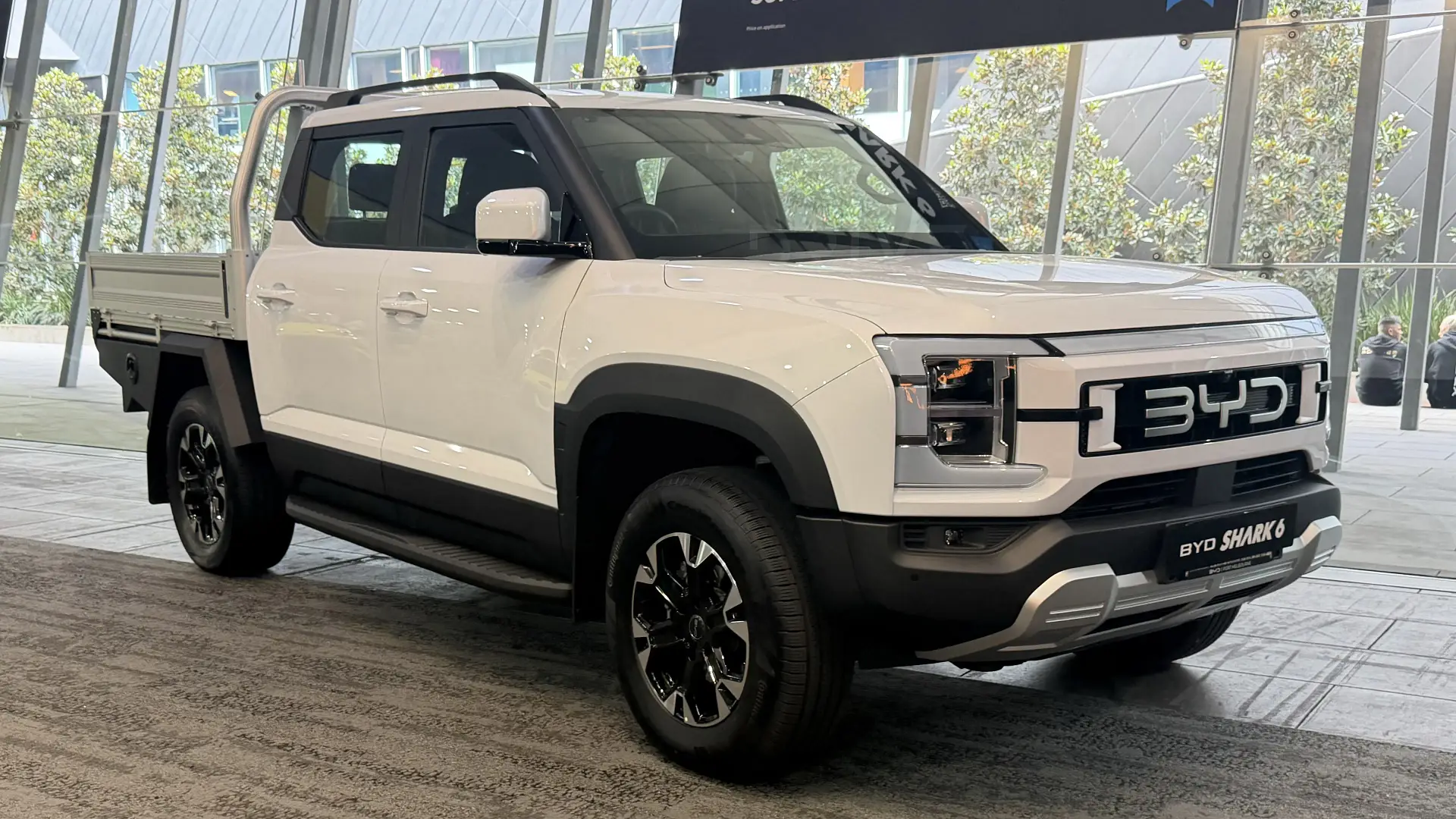
  • BYD Shark 6 cab-chassis has Australia to thank

    BYD Shark 6 cab-chassis has Australia to thank


    The tub-less version of BYD’s popular Shark 6 ute wouldn’t exist without Australia, a top executive has revealed.

    Australian demand for a cab-chassis version of the BYD Shark 6 has prompted its development and launch less than 18 months after the arrival of the pick-up.

    The Shark 6 range was “designed specifically” for Australia, according to BYD Asia Pacific managing director Liu Xueliang, and feedback from customers and fleets locally is fed back into global development of BYD utes.

    “Recently, we have just launched Shark CC [cab-chassis] model, which has been very much welcomed by a lot of consumers,” Liu told media including Drive through a translator at the Melbourne motor show.

    “Actually, we didn’t consider this model before, because we heard the voice from the consumers about the need for the Shark CC model.

    MORE: BYD fast-tracking shipments to Australia amid surge in EV, hybrid demand

    “That’s why we developed this special model just for the consumer here, and actually it turns out to be a very popular vehicle model.”

    Developing a cab-chassis Shark 6 is more difficult than simply removing the tub, as high-voltage cables and charging hardware is fixed to the sheetmetal inside the shell of the pick-up’s tray.

    Service body and metal tray conversions have been developed for the Shark 6 by aftermarket companies, but earlier comments by BYD to local media suggest that tampering with the tub by technicians not approved by BYD would void the warranty.

    The Shark 6 cab-chassis, on sale now and shown at the Melbourne motor show over the weekend, moves the battery charging port and onboard power socket to the storage box behind the rear-right wheel.

    MORE: 2026 BYD Shark 6 cab-chassis revealed, price now official

    Prices start from $55,900 plus on-road costs, only $2000 less than the pick-up, despite the cab-chassis dropping heated and ventilated seats, a head-up display, a 15.6-inch touchscreen and other items.

    The cost involved in re-engineering the electrical hardware of the vehicle may be a contributing factor.

    It excludes the additional cost of the alloy tray, which was designed in partnership with local four-wheel-drive accessories specialist Ironman 4×4.

    MORE: 2026 BYD Shark 6 Performance price announced as upgraded 2.0-litre ute

    More than 18,000 Shark 6 utes were reported as sold in Australia last year, topping the charts for the BYD brand, and quickly becoming one of its most important models.

    “Shark 6 is designed specifically for [the] Australian market,” Liu told media, “so there is definitely a correlation between the success in the Australian market for Shark 6, and the success of this such model in other countries where pick-ups have been popular.

    “So thanks to the consumers who adopted Shark 6, and that will definitely [have] an important impact on the global Shark pick-up development.”

    The post BYD Shark 6 cab-chassis has Australia to thank appeared first on Drive.


    Source link