• 2027 BMW 7 Series revealed with heavy i3 influence, due in Australia this year

    2027 BMW 7 Series revealed with heavy i3 influence, due in Australia this year


    Flagship models used to point the way for brands like BMW, but the latest 7 Series is instead following in the tech and design footsteps of cars like the i3 and iX3.

    The 2027 BMW 7 Series has been given a mid-life update, with a major interior overhaul, new technologies, and a less polarising but still imposing exterior, due in Australia in the fourth quarter of 2026 (October to December).

    The headline act for the new 7 Series is an interior redesign that uses a version of the multi-screen layout seen on BMW’s new-generation ‘Neue Klasse’ iX3 and i3 EVs.

    The updated interior retains extended leather trim, multi-adjustable front and rear seating, heated seats and armrests, seat ventilation and massage, and a long list of comfort and convenience items.

    A new dashboard adopts BMW’s Panoramic iDrive layout, with a full-width screen that spans the bottom of the windscreen and replaces a traditional instrument cluster.

    MORE: BMW is dancing around China’s door handle ban with a region-specific solution

    With no need to see a regular driver display through the steering wheel, a new four-spoke steering wheel with vertical top and bottom spokes has been fitted, and a driver’s head-up display remains to put key info in their line of sight.

    The 17.9-inch parallelogram-shaped infotainment display retains a traditional position in the middle of the dash, and is joined by a standard 14.6-inch passenger display – a first for BMW.

    A driver-monitoring camera watches for distraction and will automatically dim the passenger display to prevent the driver from watching. If the front passenger seat is unoccupied, the passenger display won’t show videos or other entertainment.

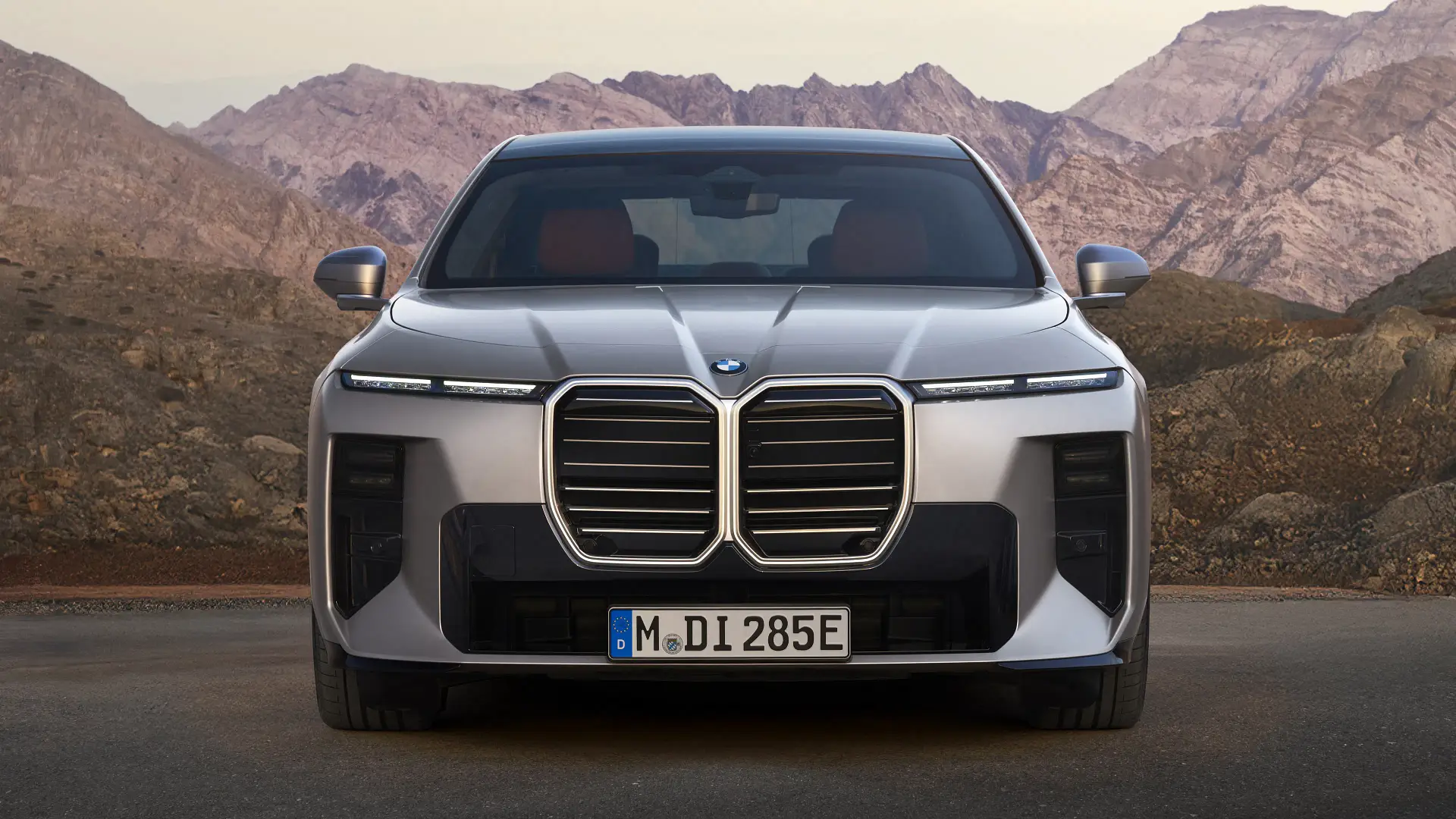
    From the outside, the 7 Series LCI gets a more resolved look with squarer front-end styling, slimmer daytime running lights, and headlights that are more seamlessly integrated into the large bumper intakes.

    MORE: 2027 BMW i3 revealed with 900km range

    The grille retains illumination as part of the update, but has been reshaped, and now features horizontal bars instead of BMW’s traditional vertical vanes.

    Unlike the i3 and iX3, which feature integrated main-beam headlights enclosed by a wide-frame chrome grille ring, the new 7 Series keeps the separate daytime-running light and headlight arrangement seen on other flagship BMWs like the X7 and XM.

    At the rear, a wider tail-light design and notched bootlid that frames the BMW badge take cues from the i3, while the bumper has been given more squared-off details as part of what BMW refers to as a ‘monolithic’ design.

    MORE: BMW on $18 billion new-car bet – ‘It will not fail’

    Other updates to the new 7 Series include revised power-operated doors with more user-friendly buttons to operate them, and a smoother, less disruptive soft-close function.

    The massive 31.3-inch rear entertainment display that folds down electrically from the roof has also been updated with touchscreen functionality, a built-in camera for conference calls, and access to a wider range of streaming platforms.

    In various markets, BMW will offer the 7 Series in 210kW/425Nm 735, the 294kW/580Nm 740 and 740 xDrive petrols, and the 230kW/670Nm 740d xDrive diesel, all with mild-hybrid 3.0-litre inline six-cylinder turbocharged engines.

    MORE: BMW plans to keep its V8 and inline-six engines for the foreseeable future

    Plug-in hybrids will include the 360kW/700Nm 750e xDrive and 450kW/800Nm M760e xDrive with an electric-only range of up to 82km, depending on the variant, based on the 3.0-litre petrol engine and an electric motor.

    The electric i7 range will comprise the i7 50 xDrive with 335kW/660Nm combined outputs and an estimated WLTP range of 591-728km, the i7 60 xDrive with 400kW/745Nm and 581-727km of range.

    The flagship i7 M70 xDrive boasts 500kW and 1100Nm, up 15kW and 85Nm over the outgoing model, with a 3.8-second claimed 0-100km/h time and a quoted WLTP driving range between 566km and 686km.

    MORE: BMW M continues to count Australia as one of its biggest markets

    The i7 50 and i7 60 variants are fitted with a 112.5kWh battery, while the i7 M70 lists a 112.4kWh capacity, all up from the 101.7kWh capacity of pre-update i7s. All feature 250kW DC fast-charge capability.

    While the vehicle itself isn’t a member of BMW’s latest Neue Klasse platform vehicles, the electronics architecture is, utilising BMW’s latest ‘software defined vehicle’ control systems for everything from driving dynamics and safety systems to infotainment.

    BMW Australia confirmed with Drive that the updated 7 Series range will launch Down Under in the fourth quarter (October to December) of 2026.

    A BMW spokesperson said details of “which engine variants will be offered in Australia and New Zealand” will be “communicated at the end of May,” alongside pricing.

    The post 2027 BMW 7 Series revealed with heavy i3 influence, due in Australia this year appeared first on Drive.
    Source link

  • Citroen C4 review | Auto Express

    Citroen C4 review | Auto Express


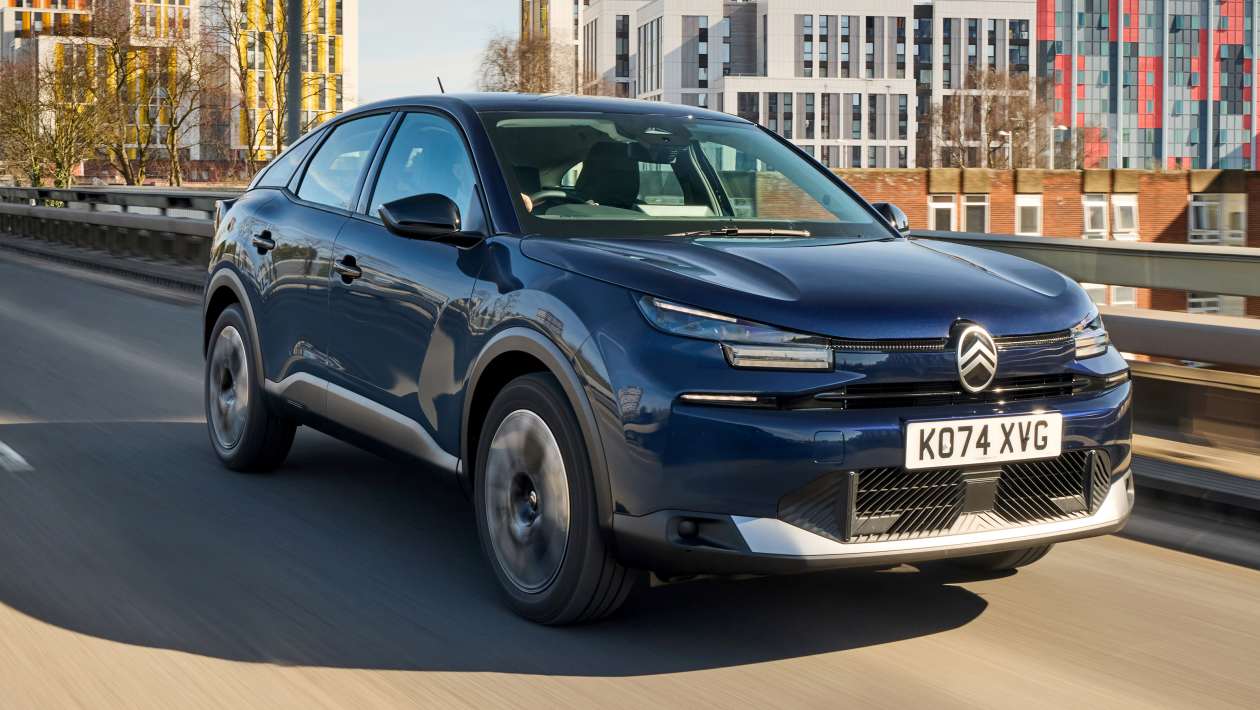
    We thought the pre-facelift petrol C4 was better when paired with the six-speed manual transmission (which was axed as part of the facelift) rather than the eight-speed automatic you get now. 

    The Hybrid 145’s automatic gearbox is a bit of a let down. While it’s slick between shifts, we found it laggy when kicking down during testing. This is not improved by using the paddle shifts on the steering wheel, because the C4 all too often ignores the commands.

    Model  Power 0-62mph Top speed
    C4 Petrol 130 129bhp 9.4 seconds 124mph
    C4 Hybrid 145 145bhp 8.0 seconds 130mph

    Performance, 0-60mph acceleration and top speed 

    If you’re after the fastest C4, the hybrid is the one to go for. This model dispatches the 0-62mph run in a fairly brisk 8.0 seconds, and the top speed is 130mph. 

    The petrol has more leisurely acceleration, completing the same sprint in 9.4 seconds, and the top speed is a bit slower at 124mph.

    Town driving, visibility and parking

    The C4’s Advanced Comfort suspension does an excellent job at ironing out the seemingly endless imperfections that can be found on the tough city streets. Both powertrains offer a good amount of shove from a standstill, too, so you won’t have too many issues if you want to get away from a red light in a bit of a hurry.   

    Front visibility is good thanks to a lofty driving position, but it’s less impressive at the rear, where you’ll find a rather obstructive spoiler. A rear-view camera helps here, but you’ll only get that if you opt for the pricier Plus trim.

    Country road driving and handling

    The Citroen C4 doesn’t claim to be a car you’ll regularly chuck into corners, but reassuringly, it manages to hold the road well if you do decide to channel your inner Sebastien Loeb. The steering is light and requires an extra input or two to get some feel for the front wheels, although this hatchback is agile enough when pushed hard. We also found the skinny eco-optimised tyres served up plenty of grip. 

    Motorway driving and long-distance comfort 

    Once again, Citroen’s suspension expertise pays dividends when you take the C4 on a longer trip. Very few elements are allowed to compromise the ride quality, and the cabin is well protected against any exterior noise. It’s not quite a Rolls-Royce, but at this price, we doubt you’ll have any complaints.


    Source link

  • New Chery Tiggo 4 hybrid dips under £20k, undercutting rivals from Dacia Duster to Ford Puma

    New Chery Tiggo 4 hybrid dips under £20k, undercutting rivals from Dacia Duster to Ford Puma


    Upgrading to Summit trim costs £2,000 extra and swaps the standard fabric upholstery for artificial leather, plus adds a 360-degree camera, a cooled wireless charging pad, an electrically adjustable driver’s seat and privacy glass.

    Full-hybrid powertrain, performance and efficiency

    While the larger Chery Tiggo 7, Tiggo 8 and Tiggo 9 are all available with either pure-petrol or plug-in hybrid powertrains, the Tiggo 4 comes with a new full-hybrid powertrain, or a ‘self-charging hybrid’ as Toyota likes to call them. 

    It’s the same system found in the new Omoda 5 SHS-H, so there’s a 1.5-litre four-cylinder engine partnered with a small electric motor and a 1.83kWh battery, plus a three-speed automatic transmission. The Tiggo 4’s hybrid system has a total output of 201bhp and 310Nm of torque, which is enough for 0-62mph in 8.9 seconds and a top speed of 93mph.

    Being able to drive on electric power for short periods of time allows the Tiggo 4 to average up to 53.2mpg, which is 1mpg more than the Omoda 5 SHS-H is supposed to do. However, the Dacia Duster Hybrid 155 can return more than 60mpg, while the Renault Captur E-Tech is capable of averaging up to 64.2mpg.

    Familiar design and tech

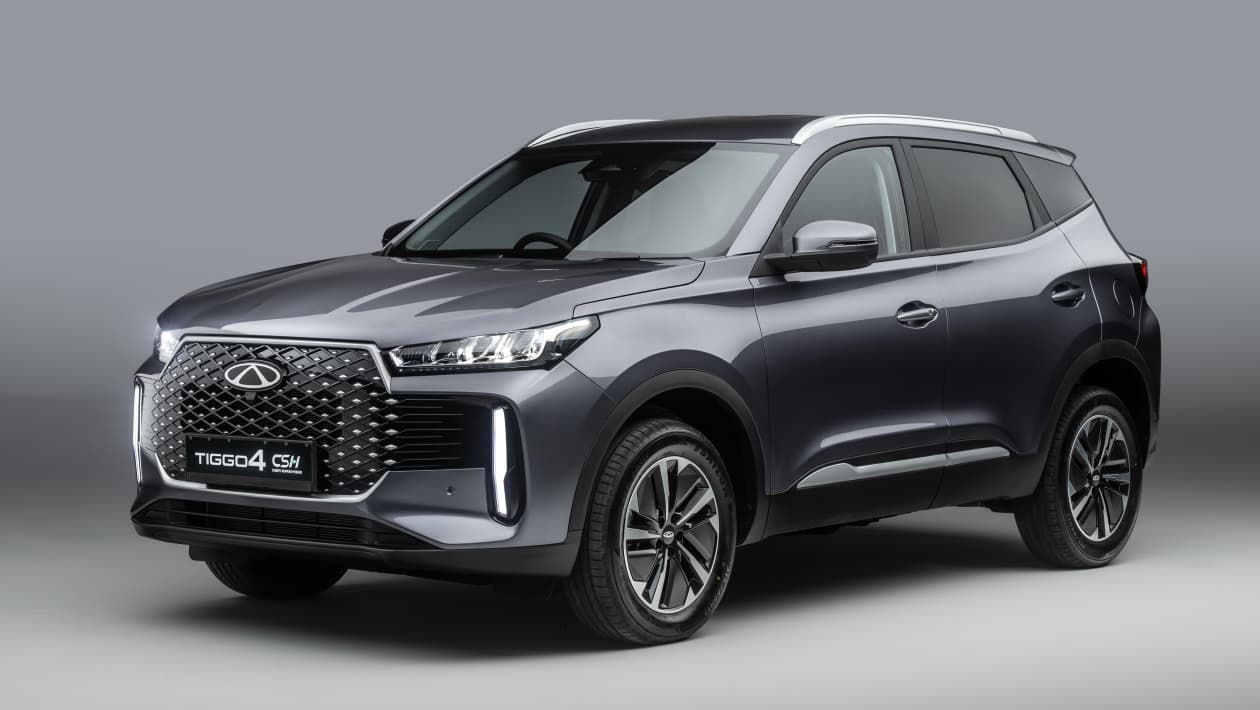
    The exterior of the Tiggo 4 follows the design language of its larger Tiggo 7 sibling with an upright SUV profile, floating roofline effect thanks to blanked-out rear pillar, rear LED light bar and a large, relatively imposing grille at the front.  

    Inside, the dual 12.3-inch displays are shared with the Tiggo 7, as are the steering wheel and gear lever designs. The row of shortcut buttons on the dashboard and climate control panel below, which looks very similar to the one in the Volkswagen T-Cross, are new features we’ve not seen in a Chery before. 

    As we said, the Tiggo 4 is similar in size to its key rivals, and while we can’t comment on interior space until we test drive it the 430-litre luggage capacity is very good for a small SUV, plus Chery says there’s 1,155 litres available with the rear seats folded down. 

    Get even more from Auto Express, follow our channels…

    Google
    Reddit 
    Whatsapp


    Source link

  • Ford beats its Nurburgring lap time by more than 10 seconds with faster Mustang GTD

    Ford beats its Nurburgring lap time by more than 10 seconds with faster Mustang GTD


    A faster Competition version of the Ford Mustang GTD beats its own record by over 10 seconds, and smashes the fastest Corvette’s attempt by nine seconds.

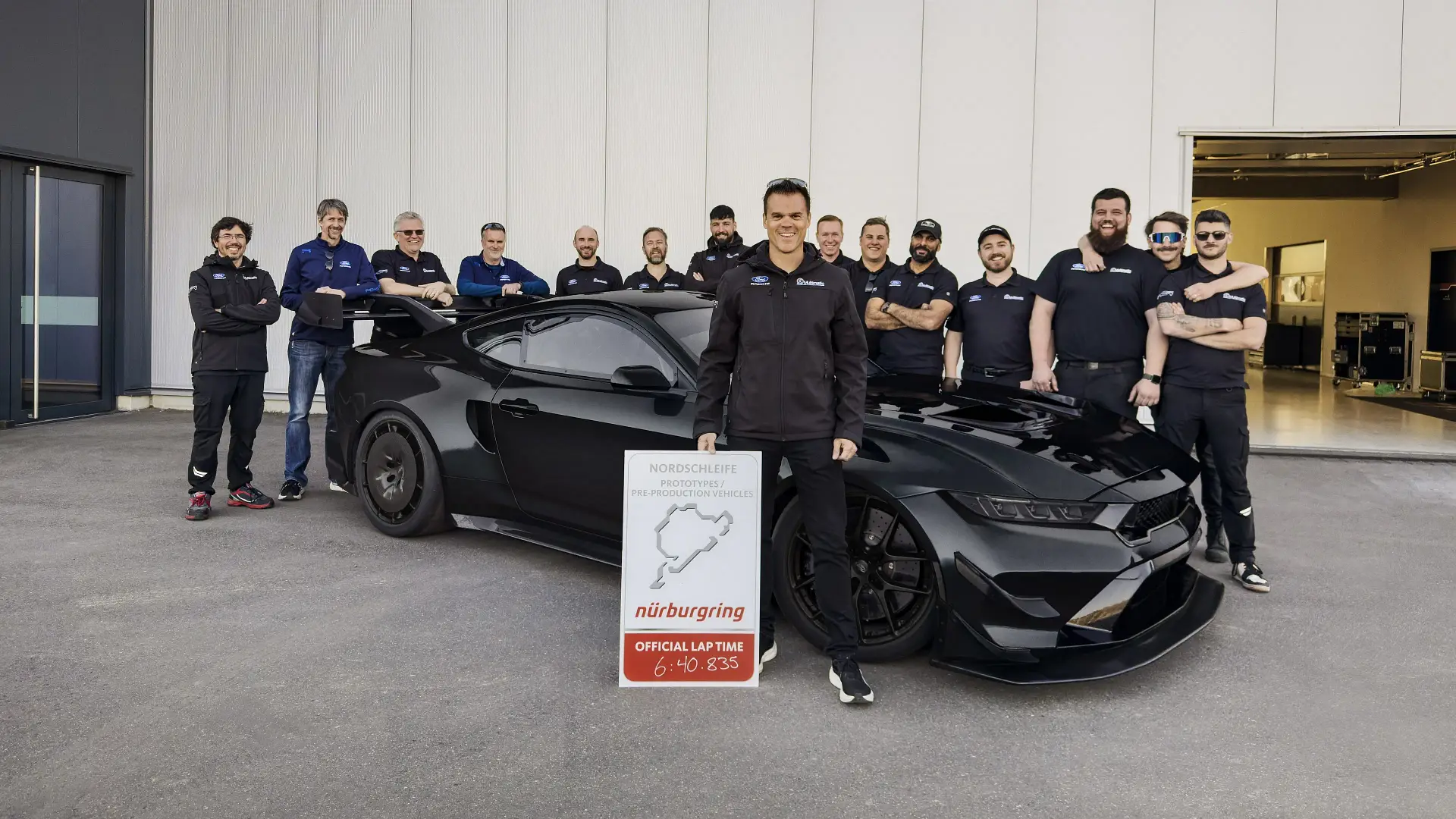
    Ford has broken its own Nürburgring record with the Mustang GTD Competition, a more hardcore version of its track-focused supercar, lapping the iconic 20.832km-long race track in six minutes and 40.835 seconds.

    It is more than 11 seconds faster than the ‘regular’ Mustang GTD’s 6min 52.072sec time, and sees the Competition claim sixth on the Nürburgring Pre-Production/Prototype Class leaderboard, and was driven by Ford Racing and Multimatic factory driver Dirk Müller.

    The Competition is even more extreme than the standard GTD, including an unspecified amount of additional power from the supercharged 5.2-litre V8, which already produced 607kW.

    Improvements to its aerodynamics, above the already installed F1-style Drag Reduction System (DRS), is a modified rear wing, secondary front dive planes, and rear carbon fibre ‘aero disc’ wheel covers.

    MORE: Parts from Ford’s Porsche 911 GT3 rival could filter down to more Mustangs

    There are new magnesium wheels wrapped in different high-performance tyres, as well as further changes to reduce weight, including carbon-fibre bucket seats and lighter dampers.

    Ford now claims the two fastest official Nürburgring lap times of any US car brand, the fastest being the GT Mk IV racing prototype, completing a 6min 15.977sec lap to become the quickest petrol-engined car around the circuit.

    The outright Nürburgring lap record remains almost untouchable at 5min 19.546sec by Timo Bernhard driving the Porsche 919 Hybrid Evo, a faster, unrestricted version of the Le Mans-winning 919 Hybrid race car.

    MORE: ‘We’re not done, we’re going for more’ – Ford eyes up even quicker Nurburgring time with Mustang GTD,

    The Mustang GTD Competition beats a 6min 45.389sec lap announced for the Porsche 911 GT3 RS Manthey hours earlier, as well as the flagship offering from key rival Chevrolet, the Corvette ZR1X hybrid twin-turbo V8 supercar (6min 49.275sec).

    Ford CEO Jim Farley said in a media statement: “Mustang GTD was always meant to bridge the worlds between GT3 race cars and street-legal supercars, and the GTD Competition takes this to the next level to continue keeping Europe’s elite up at night.”

    Mustang GTD orders will reopen to North American buyers to sell a small batch of the Competition variant.

    The GTD in regular and Competition guises is not sold in Australia, as it is not produced in right-hand drive, but the path for independent imports has recently been cleared.

    The post Ford beats its Nurburgring lap time by more than 10 seconds with faster Mustang GTD appeared first on Drive.


    Source link

  • New Volvo EX30 Cargo is the ultimate IKEA delivery van

    New Volvo EX30 Cargo is the ultimate IKEA delivery van


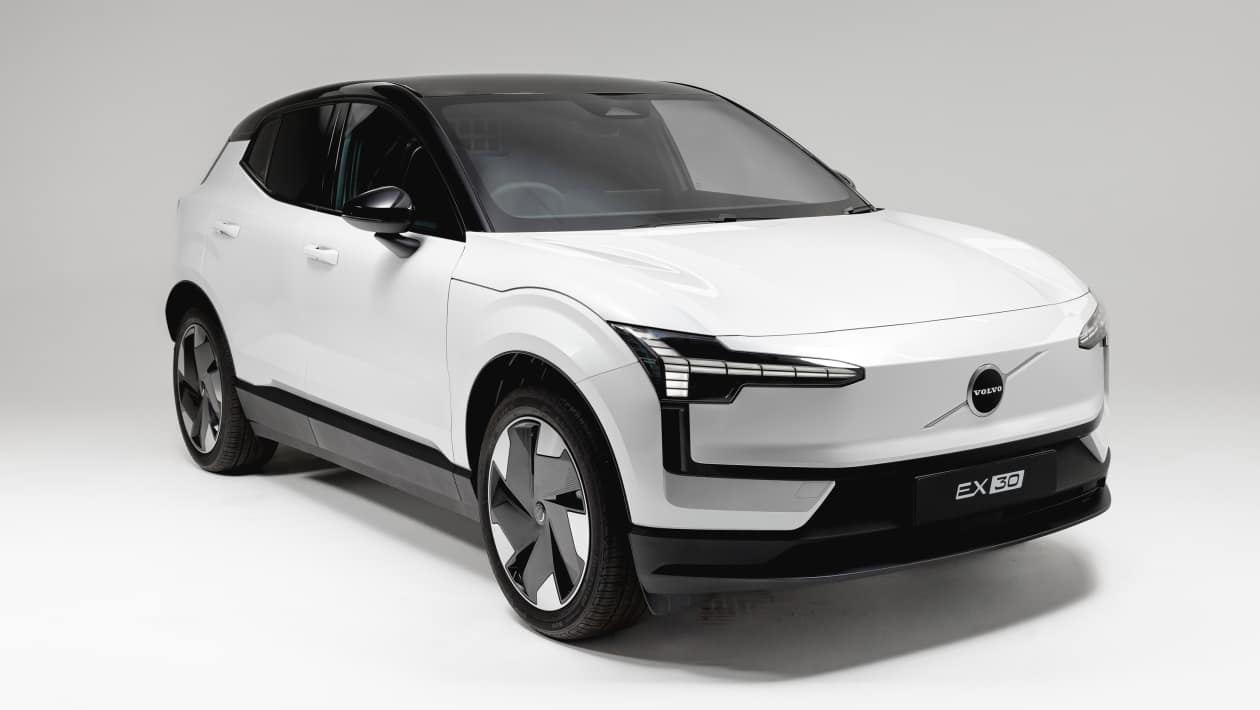
    The Volvo EX30 Cargo has been unveiled as the latest example of a popular electric car being given the cargo-van treatment for image-conscious businesses.

    Available to order now from £36,010 on the road, the EX30 Cargo features an enlarged boot, thanks to the removal of the second row of seats. This creates a flat loading bay, perfect for IKEA trips or any other hauling, resulting in 1,000 litres of stowage capacity and a maximum payload of 390kg – the equivalent to, in case you were wondering, roughly 11 IKEA Billy bookcases. 

    To ensure shipments don’t fly into the cockpit whenever EX30 Cargo drivers make use of the car’s one-pedal driving capability, the SUV-based van also gets a metal grate between the front seats and the load area. The rear doors can also open wider for easier access, although the tinted glass windows still remain. In fact, there are no real visible differences between the Cargo and the standard EX30, mainly due to the fact that it’s in effect an aftermarket conversion by Volvo UK.

    Advertisement – Article continues below

    The EX30 Cargo is available in two trims – Core and Plus – and can be had in both standard and rugged Cross Country form. Even Core models come pretty generously equipped for a cargo van, with 18-inch wheels, Google-powered infotainment, Apple CarPlay and Android Auto connectivity, adaptive cruise control, a reversing camera and a heat pump. Plus trim adds heated seats and a heated steering wheel, dual-zone climate control, wireless phone charging, a Harman Kardon sound system, two-tone paint and larger 19-inch alloys.

    In terms of powertrains, two battery options are offered: 51kWh and 69kWh. The former should provide a range in excess of 200 miles – the standard EX30 is rated at 214 miles – and can be had in either 152bhp or 268bhp forms. The larger battery, Volvo says, is sufficient for more than 300 miles on a single charge, and can be had with the rear-mounted 268bhp motor or, if you’re offering an express-delivery service, a twin-motor system that boasts 422bhp. With all-wheel drive grip, this range-topping P8 model is capable of 0-62mph in just over three-and-a-half seconds.

    Customers can order from existing previous model year stock, or configure a brand-new model from scratch; the base 152bhp model is only available for the 2027 model year and onwards. Interested buyers must contact Volvo Cars UK’s fleet sales channel to place their order.

    Did you know you can sell your car through Auto Express? We’ll help you get a great price and find a great deal on a new car, too.


    Source link

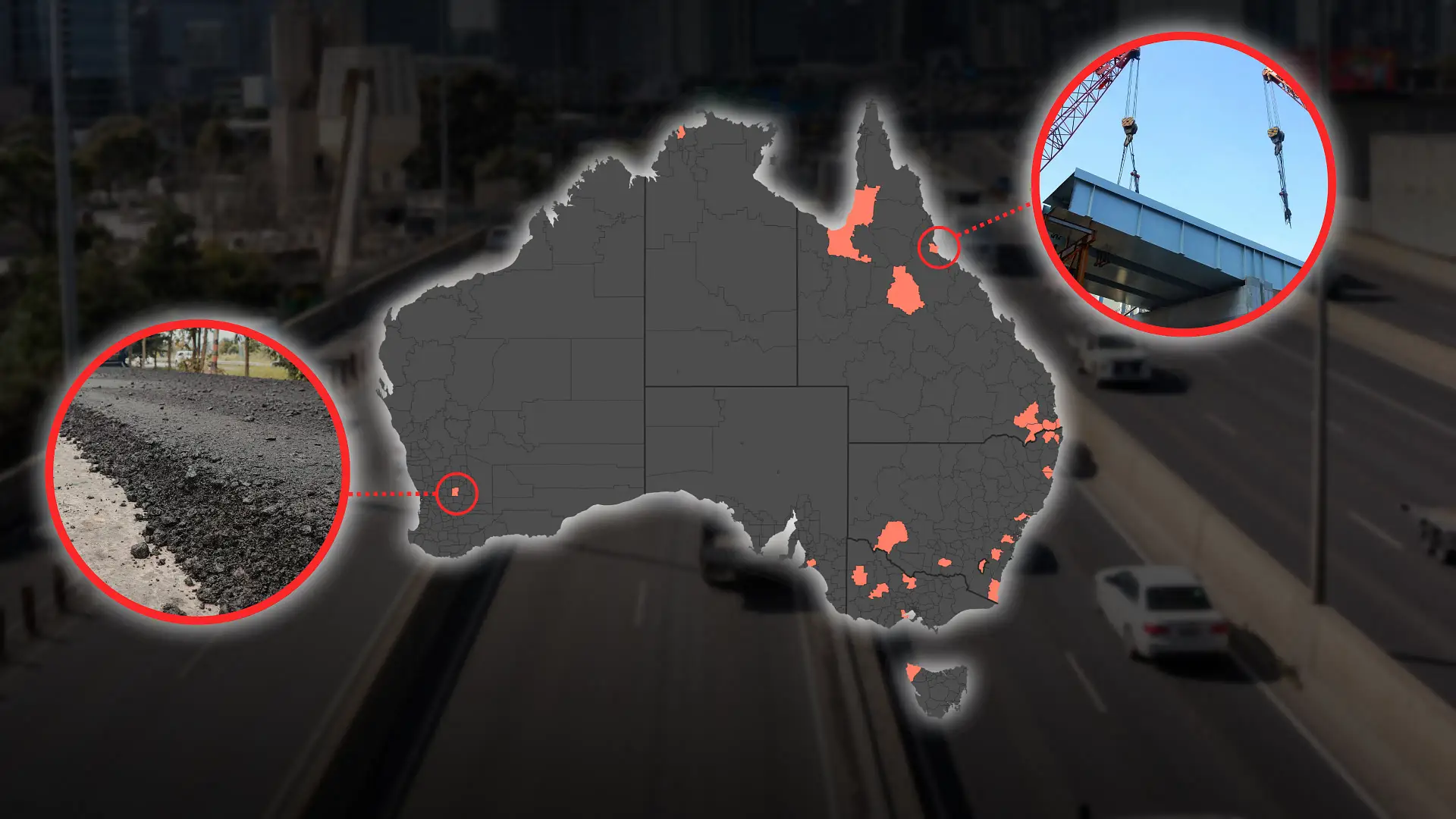
  • Federal Government’s $107 million Safer Local Roads and Infrastructure Program allocation: Mapped

    Federal Government’s $107 million Safer Local Roads and Infrastructure Program allocation: Mapped


    A total of $107 million has been handed out for road infrastructure projects around the country, in the latest wave of federal funding.

    New South Wales is the biggest recipient in the latest round of funding from the Federal Government’s Safer Local Roads and Infrastructure Program, receiving $43.97 million out of $107 million allocated to 42 road projects around the country.

    The Safer Local Roads and Infrastructure Program is an application-based program where state, territory, or local governments can apply to receive up to $5 million towards a road or infrastructure project.

    The projects must address at least one of the following six focus areas: road safety, productivity, bridge renewal, road resilience, road sustainability, or heavy vehicle rest areas.

    Requirements differ depending on whether the funding request was submitted by a local government or a state/territory government.

    Allocation by state and territory

    Local governments can apply for up to 80 per cent of the total project cost in regional and remote areas, and up to 50 per cent of the total cost in urban areas.

    For state and territory governments, they can only apply for up to 50 per cent of the total cost for all projects, regardless of location. Of the 42 projects successful in this latest round, six reached or neared the $5 million cap.

    The overwhelming majority of fund recipients were local councils, with many of the projects consisting of road upgrades or bridge replacements.

    This latest round was the fourth issue of funding since 2024 under the program’s current structure. The federal government has previously said it intends to provide “at least” $200 million per year in funding for the duration of the program.

    Allocation by council and local government

    The Minister for Regional Development and Local Government, Kristy McBain, said local councils have experienced been experiencing rising infrastructure costs: “It’s great to see another 42 projects nationwide receive funding that will ensure safer, smoother trips for Australians on our roads.”

    “We understand that local councils often need more financial assistance to assist with meeting rising costs and pressure on infrastructure due to extreme weather and climate challenges,” McBain said.

    “That’s why the Albanese Government is continuing to deliver crucial funding so that state and local governments can keep investing in safer roads.”

    Projects funded in the Australian Capital Territory

    • Transport Canberra and City Services Directorate – Sutton Road Bridge Upgrades

    Projects funded in New South Wales

    • Balranald Shire Council – Sealing Benanee Road, Euston
    • Bega Valley Shire Council – Seven Mile Creek Armco Culvert Upgrade
    • Bellingen Shire Council – Design and Replacement of Summervilles Creek Bridge and Summervilles Bridge plus 3km Road Sealing – Thora/Gleniffer
    • Canterbury-Bankstown Council – Design and Upgrade of Second Avenue Bridge
    • Canterbury-Bankstown Council – Design and Upgrade of First Avenue Bridge
    • Cessnock City Council – Ferguson Street Bridge Replacement Project
    • City of Newcastle – Design and Replacement of Hunter Street bridge over Cottage Creek, Newcastle West
    • Goulburn Mulwaree Council – Design and Upgrade of Sandy Point Road Bridge Project
    • Kyogle Council – Upgrade 5.1km across five sections of the Clarence Way between Bonalbo and Urbenville
    • Lismore City Council – Tweed St / Dunoon Rd Corridor Upgrade
    • Lockhart Shire Council – Henty-Pheasant Hills Road Widening
    • Nambucca Valley Council – Saul’s Dairy Culvert Replacement, Utungun
    • The Council of Camden – Turner Road and Dunn Road Roundabout
    • Waverley Council – Construction of Raised Pedestrian Crossings on Murriverie Road, North Bondi (Boondi)
    • Wollondilly Shire Council – Design and upgrade of Hawthorne and Johnston Roads, Bargo
    • Wollondilly Shire Council – Design and upgrade of Radnor Road, Bargo

    Projects funded in the Northern Territory

    • Litchfield Council – Thorngate Road – Pavement Rehabilitation

    Projects funded in Queensland

    • Carpentaria Shire Council – Leichhardt River Crossing Bridge Replacement
    • Flinders Shire Council – Upgrade to Corney Street and Franzmann Road, Hughenden
    • Flinders Shire Council – Upgrade to Chisolm Street and Christison Street, Prairie
    • Flinders Shire Council – Reconstruction of Mowbray Street (Swanson St to Resolution St), Hughenden, QLD
    • Gold Coast City Council – Upgrade of Pimpama Jacobs Well Road/Wharf Road/Old Wharf Road intersection
    • Hinchinbrook Shire Council – Macknade Creek Bridge Replacement, Design and Construction – Macknade
    • Queensland Department of Transport and Main Roads – Roma – Condamine Road: Pavement strengthening and widening – Stage 1
    • Scenic Rim Regional Council – Design and Upgrade of Taylor Bridge, Lamington
    • Southern Downs Regional Council – Design and Construction of Cox Bridge on Victoria Street, Warwick
    • Toowoomba Regional Council – Design and Upgrade of Oakey Biddeston Road – Stage 3
    • Toowoomba Regional Council – Design and Upgrade of Bowenville Moola Road and Myall Creek Bridge

    Projects funded in South Australia

    • Alexandrina Council – Upgrade of Breawood Road Bridge, Sandergrove
    • City of Adelaide – Design and Construction – School Safety – Addressing Priority Issues

    Projects funded in Tasmania

    • Circular Head Council – Design and Construct Woolnorth Road Bridge over Welcome River

    Projects funded in Victoria

    • Campaspe Shire Council – Design and construction of Road upgrade of Two Tree Road, Carag Carag
    • Campaspe Shire Council – Davis Road from Murray Valley Highway to Patho Station Road
    • City of Greater Geelong – Sandy Creek Road / Little River Ripley Road Heavy Vehicle Access Route Construction, Little River
    • Hindmarsh Shire Council – Construction of Dimboola Minyip Rd, Dimboola
    • Northern Grampians Shire Council – Phillips Road Upgrade Project
    • Northern Grampians Shire Council – Landsborough Road Freight Safety and Productivity Project
    • Department of Transport and Planning (Vic) – Barr Creek Bridge Replacement, Cullen

    Projects funded in Western Australia

    • City of Vincent – Perth Inner City Safe Speed Zone Project
    • Commissioner of Main Roads – Design and Construction of Heavy Vehicle Rest Area on Albany Ring Road – Menang Drive
    • Shire of Kellerberrin – Upgrade of Bruce Rock / Doodlakine Rd – SLK 2.95 to 4.10

    See the full list of locations with more details on the Department of Infrastructure’s website here.

    The post Federal Government’s $107 million Safer Local Roads and Infrastructure Program allocation: Mapped appeared first on Drive.


    Source link

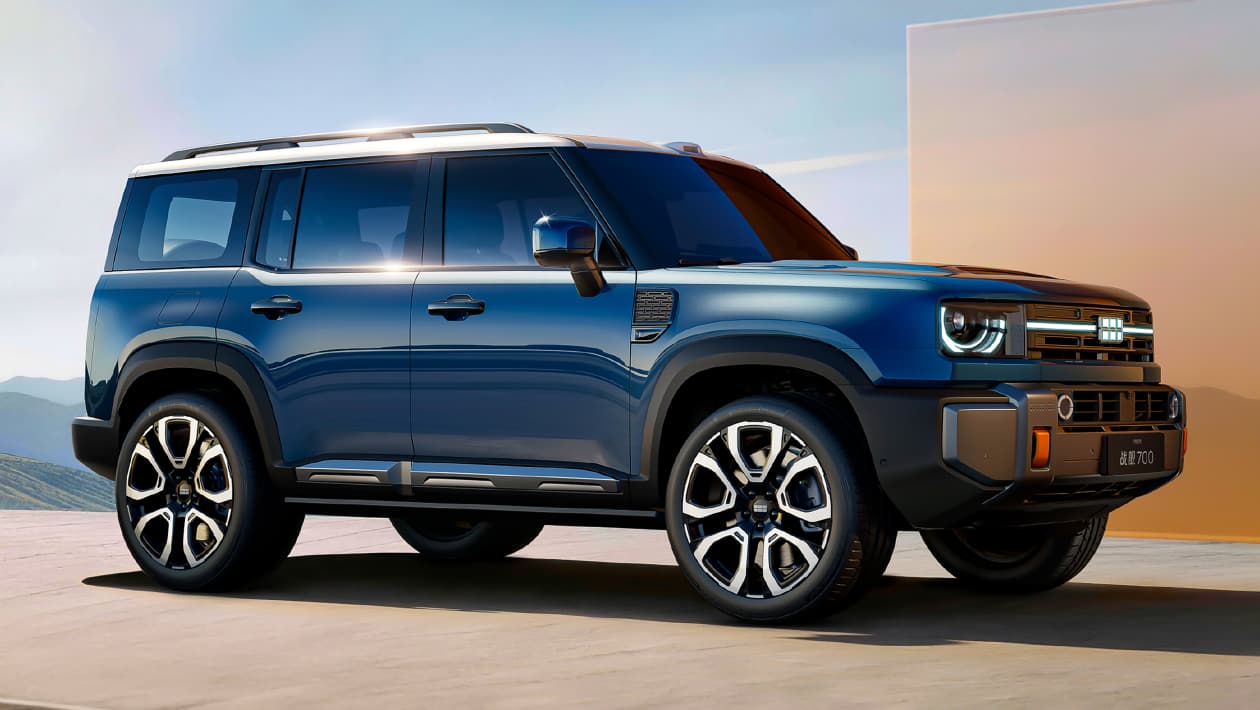
  • New Geely Galaxy Battleship 700 is an AI-powered behemoth aiming to sink the Land Rover Defender

    New Geely Galaxy Battleship 700 is an AI-powered behemoth aiming to sink the Land Rover Defender


    The company apparently has had to push its new architecture to its limits to give the 4×4 the off-road capabilities customers expect, “raising the ground clearance as much as we could, getting the biggest wheels we could”.  

    Prototypes of the Battleship have been tested in various environments, from the bitter cold of northern Sweden to the deserts in China. Dachet tells us he has pictures of them jumping in the dunes, where they’ve exceeded expectations when it comes to handling difficult terrain. The concept had a wading depth of 800mm (not far off the 900mm the equivalent Defender 110 can reach), and we assume the road-going version can match that too.

    First of new 4×4 model range

    Auto Express has confirmed the Geely Galaxy Battleship will be coming to the UK in 2028, although we don’t yet know if it will wear that not-so-subtle name over here.

    Whatever it’s called in the UK, the hulking hybrid 4×4 will be Geely’s first foray into the world of off-roaders, but potentially not the only one. Dachet told us: “It’s opening doors to potentially more products that could be launched in the off-road space, so it’s the first of hopefully many more to come.”

    Geely is already exploring some ideas for other off-road models, but whether or not they are taken forward will depend on the reaction to the Battleship. “This may be the start of something very cool,” Dachet hinted. “If the response is positive, we have a lot more coming. So it really will depend on how the public responds to it.”

    Get the latest and best car news and reviews, first! Follow Auto Express on Google today


    Source link

  • Jaecoo ‘flattered’ by Range Rover design comparisons

    Jaecoo ‘flattered’ by Range Rover design comparisons


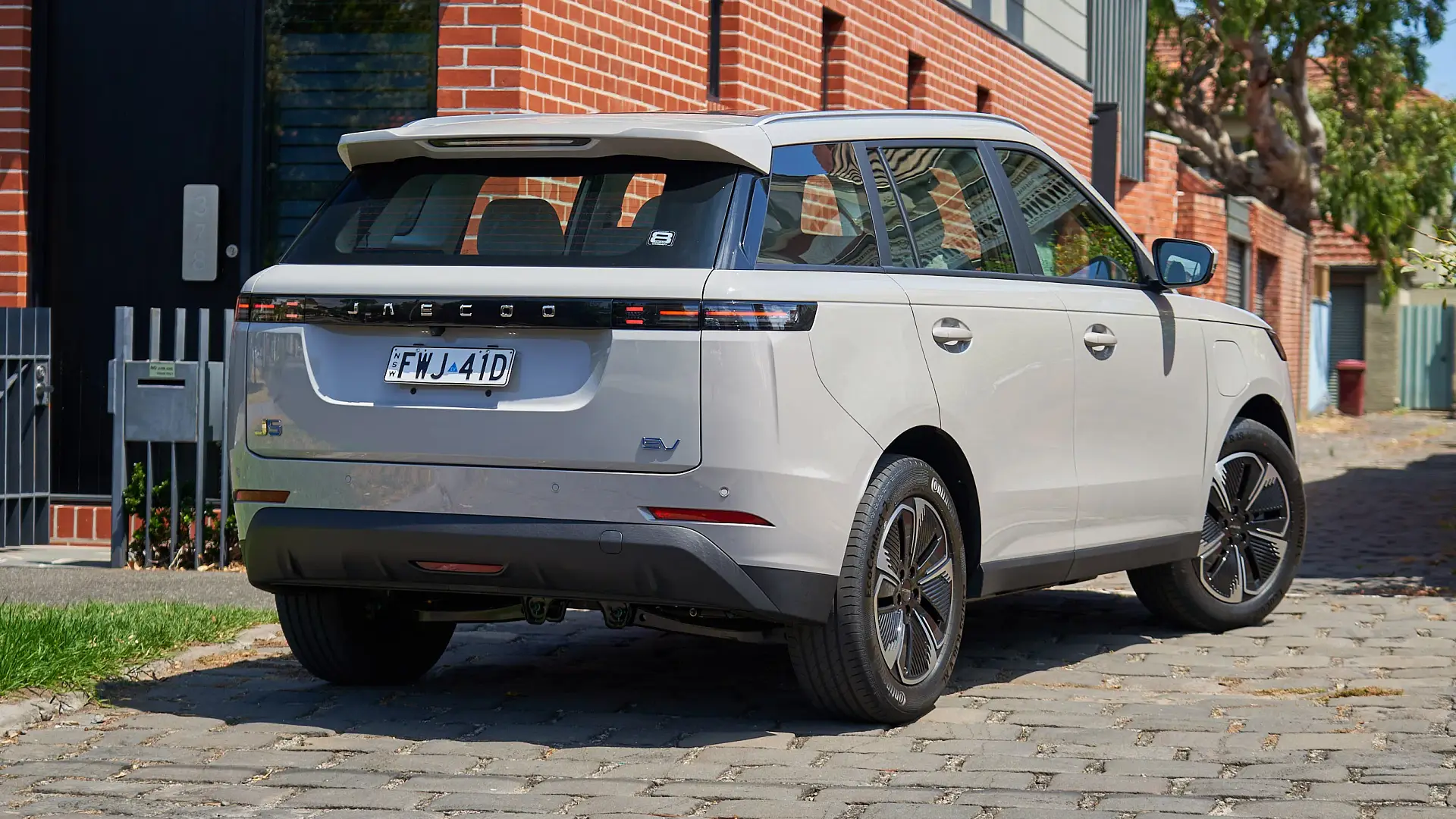
    The Jaecoo J5 has gained recognition for its visual similarities to Range Rover design, with an Indonesian company even developing an aftermarket body kit to further lean into it.

    Chinese car brand Jaecoo has called comparisons between the styling of its J5 and J7 SUVs, and luxury off-roaders from Range Rover “flattering”.

    The Range Rover Sport-esque design cues on the Jaecoo J5 have been seen so widely that an Indonesian company has developed a body kit to further lean into the British inspiration.

    “The other brand you mentioned [Range Rover] is known for prestige and great design, so to be compared to that is very flattering,” Omoda Jaecoo Australia chief commercial officer Roy Munoz told Drive.

    “Obviously, design is subjective; it is flattering to be compared to a premium brand.”

    The J5’s body kit from Wild Design has gone on sale in South-East Asia, adding a full lip kit, new lower front bumper, and Range Rover-esque elements such as the side vents and lower grille.

    Side skirts, lower door mouldings, wheel-arch flares, and a rear diffuser appear to also be included in the kit, which has been quoted at around 19,950,000 Indonesian rupiah ($AUD1680) plus postage.

    Cues from other luxury SUVs are available for purchase; ZAD offers a body kit loosely inspired by the Lamborghini Urus, while brands such as Macross offer a completely custom style.

    MORE: Jaecoo J5 EV gets Range Rover look-alike bodykit

    Despite what the extensive parts catalogue might suggest, the J5 has only been on sale internationally since mid-2025, and in Australian showrooms as an electric vehicle since January 2026.

    A petrol-powered version is due in local showrooms in early June, powered by a 1.5-litre turbocharged four-cylinder petrol engine found in the related Chery Tiggo 4.

    It is priced from $25,990 drive away for the Track grade, rising to $29,990 drive-away for the Summit.

    Similarly, the electric version starts from $36,990 drive-away in Summit form, and utilises a 58.9kWh battery for a 402km WLTP driving range rating, making it one of the most affordable electric SUVs on sale.

    The post Jaecoo ‘flattered’ by Range Rover design comparisons appeared first on Drive.


    Source link

  • People need to ‘want’ electric cars, and not be forced into them

    People need to ‘want’ electric cars, and not be forced into them


    Is it time to change the language around electric cars? I was talking to someone in the industry recently who said that in America, something as simple as switching the word ‘recharging’ for ‘refuelling’ has helped to shift people’s perceptions a little, linguistically positioning the concept of charging at home as refuelling your vehicle and bringing it into a more recognised sphere.

    Advertisement – Article continues below

    But something even more core than that was a discussion point at the recent Society of Motor Manufacturers and Traders’ Electrified event. The SMMT is the car manufacturers’ voice in the UK, and its chief executive, Mike Hawes, was vociferously blunt that the current mandate system, where car makers are fined for not hitting rising annual targets for EVs’ share of their sales, isn’t working.

    The SMMT put out a report on the day, which pointed out that the 2025 reality is so far from the 2021 predictions on things like battery cost (31 per cent higher than expected) and public charging cost (double what was predicted) that it’s not fair to expect uptake to be where it needs to be for brands to avoid fines.

    Hawes argues that the focus on mandates and targets isn’t helping people to embrace the positives around EVs. It’s a valid point. The mandate targets are a real stretch going forward, because too few drivers see the plus side of EVs and no-one likes having to do something because the Government tells them to.

    I know there was car industry frustration at the way the issue of EV road user charging was handled by those in power, with all the talk surrounding a basic £300-a-year figure for driving 10,000 miles, overshadowing key details such as that it’s not coming for another two years, and that EVs will still cost much less than a petrol car to fuel, even allowing for the extra cost. That’s if you can charge at home, the constant caveat until a lower-cost public charging solution arrives.   

    When the European Union is rolling back targets, Canada has moved to a more flexible CO2-based strategy and America is seemingly setting fire to any EV plans, maybe a more flexible approach is needed? We need to work out how to get people to move to the tech, when they feel confident that it’s the best solution and are excited to make the transition, while still offering something to those who can’t or won’t buy an EV.

    Did you know you can sell your car through Auto Express? We’ll help you get a great price and find a great deal on a new car, too.


    Source link

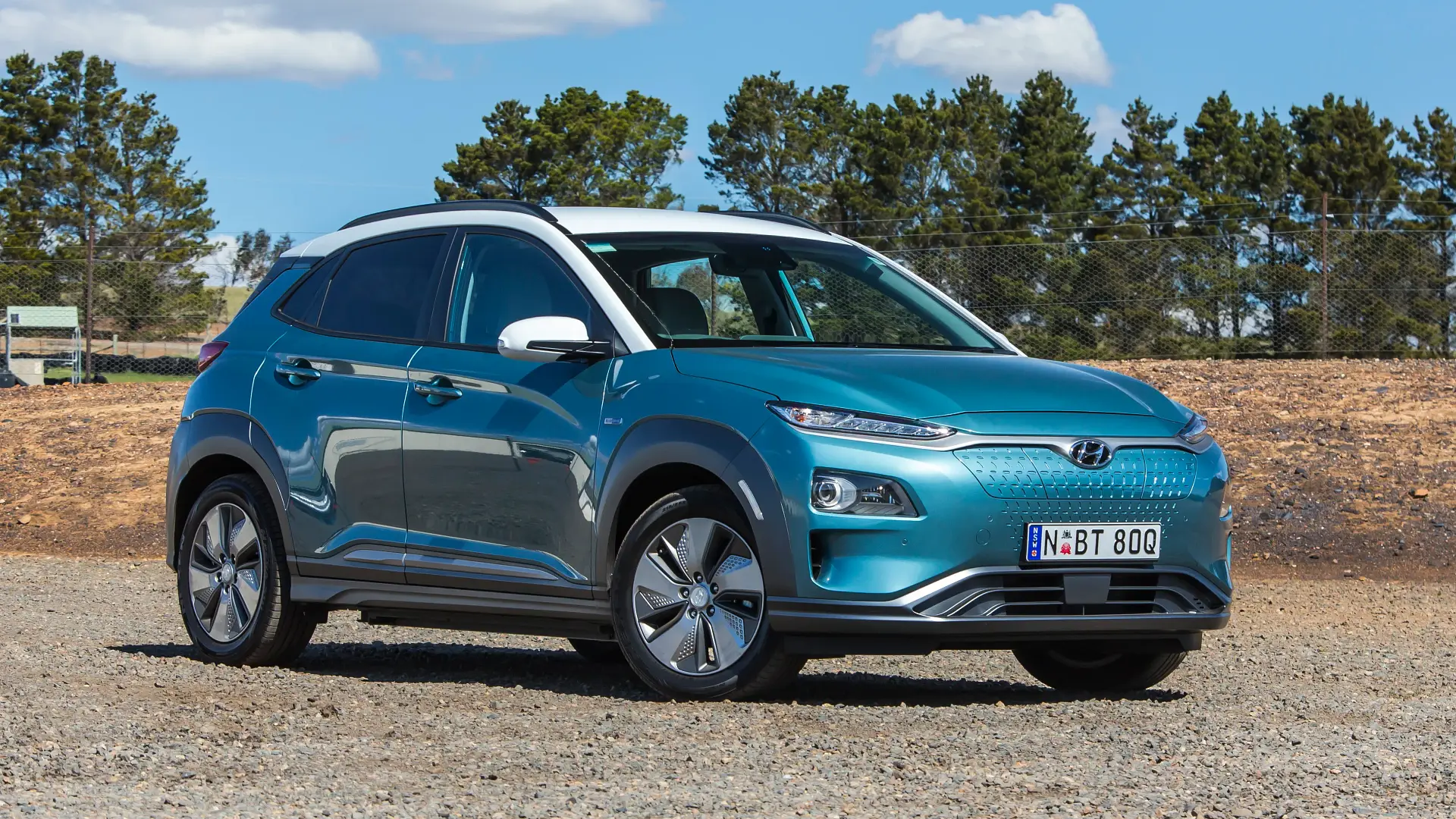
  • Hyundai recalls nearly 5000 electric cars in Australia

    Hyundai recalls nearly 5000 electric cars in Australia


    A fault could cause the battery management system to short-circuit, leading to a potential vehicle fire, according to the recall notice.

    Hyundai Motor Company Australia has recalled a total of 4888 examples of its 2018-2023 Kona and 2018-2022 Ioniq electric vehicles (EVs) citing a potential fault with the software within the Battery Management System (BMS).

    Between the two models, there are 3478 Konas and 1402 Ioniqs affected.

    The recall notices for both models, lodged with the Department of Infrastructure, says: “A software issue in the Battery Management System (BMS) of both the Hyundai Kona and Ioniq may cause an electrical short circuit while charging or parked, leading to a vehicle fire.

    “A vehicle fire could increase the risk of injury or death to vehicle occupants, other road users and bystanders, and/or damage to property.”

    The notices for the Kona EV and Ioniq EV can be found here.

    Date of recall notice 9 April 2026
    Make Hyundai
    Model Kona EV
    Ioniq EV
    Year 2018 to 2023
    2018 to 2022
    Vehicles affected Kona EV – 3478
    Ioniq EV – 1402
    VIN list Click here to download the list of affected Kona VINs
    Click here to download the list of affected Ioniq VINs
    Contact link Click here to contact the manufacturer

    A full list of vehicle identification numbers for the 4888 vehicles involved in the recall can be found here for the Kona and here for the Ioniq.

    Hyundai Motor Company Australia advises that owners of affected vehicles will be contacted in writing, asking them to schedule an appointment with an authorised dealer as soon as possible.

    The EV battery will be diagnosed for a software update or battery cell fix, free of charge.

    Owners can contact Hyundai Customer Care on 1800 186 306 or enter their VIN and find more information at the Safety recall section of the brand’s website.

    To have your vehicle checked, find your closest Hyundai dealership by clicking here.

    The post Hyundai recalls nearly 5000 electric cars in Australia appeared first on Drive.


    Source link